

Protect Surfaces From Water Stains: Outdoor Planter Guide
Table of Contents
- How Outdoor Planters Damage Surfaces
- Durable Weatherproof Planter Materials That Resist Staining
- Outdoor Planter Saucers for Deck Protection
- How to Prevent Water Stains Under Planters
- How to Stop Staining on Patio From Plant Pots
- Comparison of Protection Methods and Long-Term Performance
- What Not to Do: Common Mistakes That Make Staining Worse
- Frequently Asked Questions
Last Updated: October 12, 2026
How Outdoor Planters Damage Surfaces
Water stains beneath outdoor planters are one of the most common, and preventable, problems homeowners face. When a planter sits directly on a deck, patio, or other finished surface, moisture seeps from the drainage holes and soil, leaving mineral deposits, discoloration, and eventually structural damage.
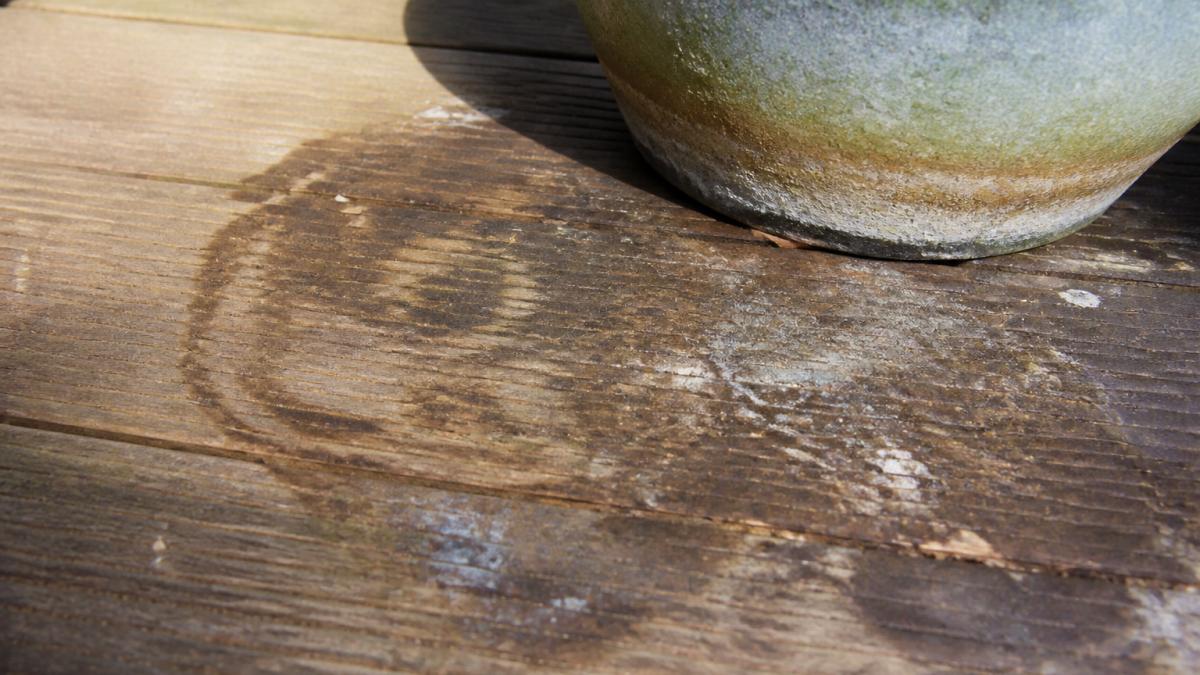
The damage happens in stages. Excess water pools beneath the pot, then minerals from the soil accumulate as it evaporates, leaving white, brown, or greenish rings.
Most people wait until the damage is visible before acting, but by then the stain has set and cleaning alone won't restore it. Prevention starts with understanding which protection methods actually work.
Durable Weatherproof Planter Materials That Resist Staining
Not all planters are equal when it comes to protecting surfaces. The material directly affects how much water escapes and how easily stains form underneath.
Ceramic and terracotta are beautiful but problematic. Both are porous, absorbing water and slowly releasing it through their walls and drainage holes, the primary culprit behind water stains on decks and patios.
Plastic planters offer a different advantage. High-impact polypropylene, like the material used in Beloit Plastics LLC's Austin Planter saucers, is non-porous and doesn't absorb water at all, so water stays contained in the saucer beneath the pot rather than seeping through the walls.

Wood planters look stunning but require the most maintenance. Untreated wood absorbs moisture rapidly and rots within one to two seasons under constant wet-dry cycles, and even pressure-treated wood eventually fails without regular sealing.
Composite materials, blends of plastic and wood fiber, resist water better than solid wood but don't match pure polypropylene's durability, a middle-ground option if you want the wood aesthetic with less maintenance.
Outdoor Planter Saucers for Deck Protection
A saucer does two critical jobs: it catches water before it reaches your deck or patio, and it keeps the planter elevated so air can flow underneath. Without one, water pools directly against your surface; with one, it's contained and can evaporate safely.
Why Saucers Matter More Than You Think
Most people think of saucers as optional, an indoor accessory rather than an outdoor necessity. That's the mistake. Outdoor planters need saucers even more than indoor ones because they're exposed to regular watering, rain, and standing water with nowhere else to go.
Beloit Plastics LLC's Austin Saucers come in clear or granite-colored polypropylene. The 18-inch Austin Saucers 2-pack costs $25.99 and fits larger planters, while the 12-inch and 10-inch options start at $11.99 and $9.99 respectively. These saucers are made from 95% recycled polypropylene, won't fade in sunlight, and last multiple seasons outdoors.

Sizing and Placement for Maximum Protection
Getting the size right is non-negotiable. If your saucer is too small, water spills over the edges and defeats the purpose. Measure your pot's bottom diameter, then choose a saucer at least 2 inches larger. One large saucer can hold several small pots if arranged properly.
Placement matters equally. Center the pot on the saucer's flat inner surface with the ribbed underside facing down to create the crucial air gap. Never place the saucer against a wall or corner, water needs room to evaporate from all sides. On a deck, position it so water drains away from the boards rather than pooling against them.
On stone or concrete patios, placement is less critical for structural damage, but stains still form if water pools. Tilting the saucer slightly or using pot feet helps water run off rather than sitting beneath the planter.
How to Prevent Water Stains Under Planters
Beyond saucers, several other strategies work together to keep your surfaces clean and dry.
Elevation and Airflow Strategies
Pot feet or risers lift planters further off the surface, increasing the air gap beneath the saucer. Even a 1-inch lift measurably improves evaporation, and pot feet are especially valuable on decks where wood is most vulnerable. They're inexpensive, usually under $10 for a set of four, in plastic or rubber.
Spacing is another underrated factor. Leave at least 12 inches between containers so air flows freely underneath each one; crowded arrangements trap moisture and create the exact conditions that cause staining.
Wind and sun exposure matter too. Planters in full sun dry faster than shaded ones, so position shaded-patio planters to catch a few hours of direct sun, or empty saucers more frequently. Wind helps evaporation, so avoid protected corners where air stagnates.
Drainage Management and Maintenance
Check your planter's drainage holes regularly. Blocked holes force water to pool in the saucer longer, increasing stain risk, so gently loosen compacted soil with a small tool. Never use planters without drainage holes outdoors, water will accumulate and eventually escape through the sides or bottom, causing stains.
The saucer itself needs maintenance too. Every two weeks, empty standing water and rinse it clean, since mineral deposits left sitting can eventually stain the surface beneath. Polypropylene saucers like Beloit Plastics LLC's Austin Planter models are dishwasher-safe, so you can remove and wash them thoroughly if needed.
Overwatering is the root cause of most saucer overflow. Water only when the top inch of soil is dry, daily in hot weather and every few days in cooler seasons. The goal is moist soil, not waterlogged soil, and proper watering discipline prevents 80% of water-stain problems before they start.
How to Stop Staining on Patio From Plant Pots
If you already have stains, the solution depends on your surface type and how long the stains have been there.
Surface-Specific Protection Methods
For wooden decks, the best protection is a water-resistant sealant applied before stains form. Polyurethane, oil-based, and acrylic-based deck sealers all work but need reapplication every 1-2 years.
Austin Saucers 18in(16.3in Base) Clear Polypropylene Pack of 2 →
Stone and concrete patios benefit from a clear acrylic sealer, which creates a barrier against water penetration. Sealed stone won't absorb mineral deposits, so stains either don't form or wash away with a hose.
Painted surfaces are most vulnerable because water can seep under the paint and cause peeling. A quality exterior paint with mildew resistance helps, but a saucer is your first line of defense, never rely on paint alone.
For composite decking, use a saucer and pot feet to keep moisture away from the surface. Composite is more water-resistant than wood but can still stain if water pools consistently.
Cleaning and Long-Term Maintenance
If stains do appear, act quickly, fresh stains are easier to remove than set-in ones. For wood, scrub with a stiff brush and deck cleaner, then rinse.
For mineral stains specifically, a solution of equal parts white vinegar and water works well on many surfaces. Apply it, let it sit for 10-15 minutes, scrub, and rinse. On delicate surfaces like natural stone, test this on a hidden area first.
Once you've cleaned the stain, seal the surface immediately to stop the cycle. A fresh sealant application gives you a clean slate and protects against future stains for another 1-2 years.
Long-term, the routine is simple: empty saucers regularly, use pot feet or risers, reseal every 1-2 years, and replace saucers if they crack or discolor. Beloit Plastics LLC's polypropylene saucers last multiple seasons, and keeping them clean extends their life.
Comparison of Protection Methods and Long-Term Performance
Different approaches work better for different situations. Here's how the main strategies compare:
| Protection Method | Initial Cost | Annual Maintenance | Best For | Durability |
|---|---|---|---|---|
| Polypropylene saucer alone | $10-$26 | Empty saucer weekly | Renters, temporary setups | 3-5 seasons |
| Saucer + pot feet | $20-$40 | Empty saucer weekly, inspect feet | Most patios and decks | 4-6 seasons |
| Deck/patio sealer (no saucer) | $100-$300 | Reseal every 1-2 years | Permanent installations | 2-3 years per seal |
| Saucer + sealer + pot feet | $130-$350 | Reseal every 1-2 years, empty saucer weekly | High-traffic decks, valuable surfaces | 5-7 years before restaining |
| Elevated planter boxes | $200-$500 | Minimal (built-in drainage) | Large-scale gardens | 10+ years with maintenance |
The most cost-effective approach for most homeowners is a quality saucer paired with pot feet, minimal upfront investment with only weekly maintenance. If your deck or patio is valuable or already showing wear, add a sealant. For renters or temporary outdoor spaces, saucers alone are sufficient.
What Not to Do: Common Mistakes That Make Staining Worse
Understanding what doesn't work is as important as knowing what does.
Don't skip the saucer and rely on "letting water drain naturally." Water doesn't drain away from your surface, it pools and evaporates slowly, leaving minerals behind.
Don't use saucers without drainage holes. Solid-bottom decorative saucers trap water indefinitely, causing mold, mildew, and worse staining than no saucer at all.
Don't place saucers against walls or in corners. Water needs air circulation to evaporate, and trapped water will eventually seep into the structure, causing hidden damage.
Don't seal a stained surface without cleaning it first. Sealer won't hide stains, it locks them in. Always clean first, then seal.
Don't assume all planters are equally porous. Terracotta and ceramic leak constantly, so if you love these materials, commit to a saucer and check it frequently.
Don't wait for visible damage to act.
Protecting your deck or patio from water stains starts with one simple choice: using a quality saucer beneath every outdoor planter. With proper saucer placement, regular maintenance, and surface sealing, you can enjoy beautiful planters without sacrificing the integrity of your outdoor surfaces. Explore Now to find the right saucer size for your planters.
Frequently Asked Questions
What is the most durable material for outdoor planters?
High-impact polypropylene stands out for outdoor planters because it resists cracking in freeze-thaw cycles, won't fade under UV exposure, and handles temperature swings without warping. Polypropylene saucers made from 95% recycled material are lightweight yet sturdy enough for large pots, and they last multiple seasons outdoors without degrading. Unlike ceramic or terracotta, plastic doesn't absorb water into its structure, which prevents the moisture damage that leads to permanent staining on decks and patios.
How do you prevent water stains under planters?
The most effective approach combines elevation, drainage, and a protective barrier. Use a saucer with a ribbed underside to lift the planter slightly off the surface, allowing air to circulate beneath. Ensure the saucer has drainage holes so standing water doesn't pool. For wood decks, consider placing a waterproof mat or protective film under the saucer. Clean underneath planters every 2-3 weeks during the growing season to prevent algae and mineral deposits from setting into the surface.
Should outdoor planters have saucers?
Yes, saucers are essential for protecting outdoor surfaces. They catch excess water drainage and soil spillage that would otherwise stain hardwood, composite decking, concrete, or stone. Saucers with ribbed undersides keep planters elevated, preventing direct contact between wet soil and your deck or patio. This airflow also promotes healthier root aeration in your plants. Without a saucer, water and mineral deposits from potting soil will seep onto the surface below, creating permanent discoloration and potentially causing wood rot or mold growth over time.
How often should you clean under outdoor planters?
Clean under outdoor planters every 2-3 weeks during the growing season, or whenever you notice algae, mineral buildup, or standing water. In humid climates or rainy regions, increase frequency to weekly checks. Remove the planter and saucer, wipe the deck or patio surface with a damp cloth, and rinse the saucer thoroughly. This prevents mineral deposits from etching into wood or stone and stops mold and mildew from establishing. In winter, reduce frequency but still inspect monthly, especially after heavy rain or snowmelt.
What size saucer do I need for my planter?
Measure the bottom diameter of your pot and choose a saucer with a base diameter about 2 inches larger. For example, a pot with a 10-inch base needs at least a 12-inch saucer. The saucer's interior should be flat so the pot rests evenly, and the sides should be tall enough to catch water without overflowing. Austin Planter saucers come in sizes from 3 inches to 21 inches, making it easy to find an exact fit. A slightly oversized saucer is better than one too small, you can fill extra space with decorative stones or pebbles.
