Heavy Duty Plastic Garden Pots: Top Picks for Durability
Table of Contents
- What Makes Heavy Duty Plastic Garden Pots Different
- Quick Comparison Table
- Large Plastic Outdoor Planters for Every Space
- Plastic Planters with Drainage: Essential for Root Health
- Self-Watering Outdoor Planters and Saucer Systems
- Plastic Planter Saucers: Protection and Reservoir Function
- How to Choose the Right Heavy Duty Pot for Your Climate
- Frequently Asked Questions
Last Updated: October 11, 2026
What Makes Heavy Duty Plastic Garden Pots Different
Heavy duty plastic garden pots are engineered for durability through material thickness, construction method, and weather resistance. They withstand freeze-thaw cycles, UV exposure, and years of outdoor use without cracking or fading, unlike standard planters that fail within a season.
At Beloit Plastics LLC, the key to our planters' longevity is high-impact polypropylene construction, thicker walls, reinforced design, and manufacturing standards that account for real-world stress.
Durability depends on how the pot handles water. Drainage holes prevent root rot. A matching saucer with an airflow grid keeps water from pooling underneath, protecting your deck or patio from stains and damage while extending planter life through proper moisture management.
Quick Comparison Table
| Product | Price | Best For | Key Feature |
|---|---|---|---|
| MRAP 14 inch Pot and Saucer | $20.75 | Large outdoor displays | Round design, weather-resistant polypropylene |
| LAP 12 inch flower pot and saucer 5 pack | $39.99 | Multiple plantings | Set of 5, includes saucers, 90% recycled plastic |
| 12 inch Red Pot with Saucer | $19.37 | Decorative single pots | Bright color, drainage holes, high-impact construction |
| LAP 12 inch Pot with Saucer or Hanger | $19.99 | Hanging or standing use | Hanger option, weather-resistant, easy to clean |
| Oval Pot with Saucer | $39.75 | Entryways and patios | Space-efficient oval shape, architectural-grade design |
| 4 inch Flower Pots with Saucers (5 pack) | $16.45-$19.99 | Seedlings and small plants | Multiple color options, fade-resistant, lightweight |
| 7 inch Bright Multi Colors Pots with Saucers | $29.95 | Herbs and medium plants | Case of 5, vibrant colors, drainage holes |
Large Plastic Outdoor Planters for Every Space
Large plastic outdoor planters deliver visual impact without the weight and fragility of ceramic or stone. A 14-inch pot filled with soil and plants becomes genuinely heavy, a two-person job. Plastic shines here, weighing a fraction of ceramic while handling the same soil volume and garden presence.

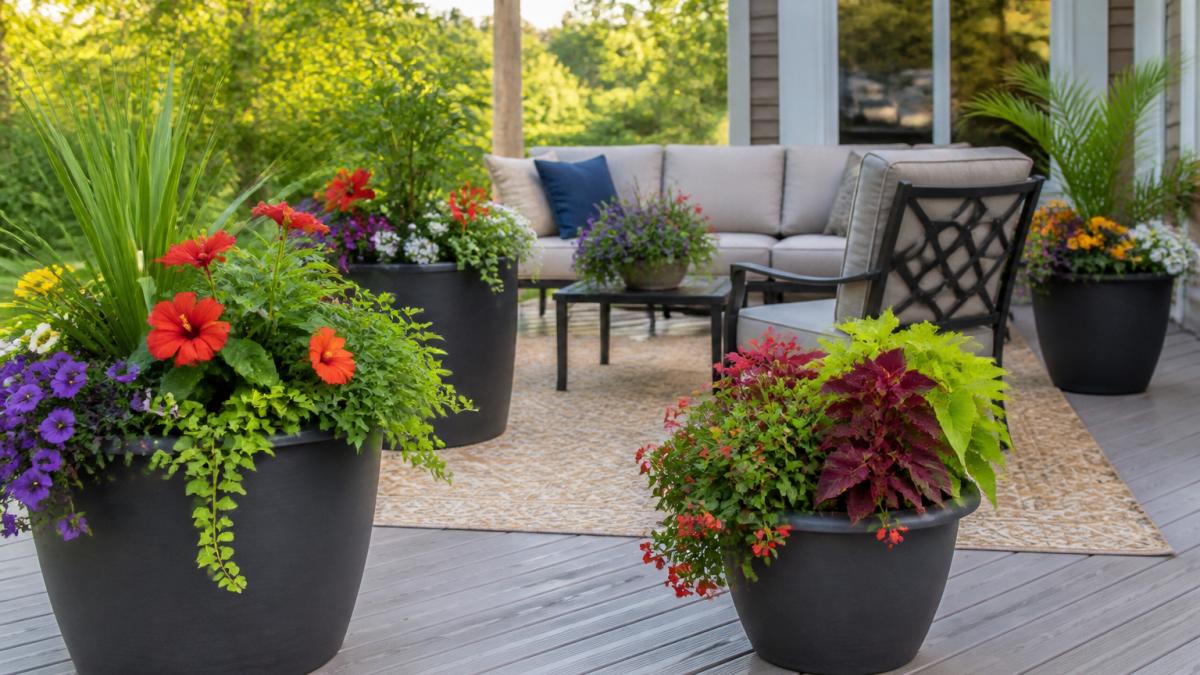
The round design works everywhere: corners, walkways, and patio arrangements. The 17" × 9" oval design maximizes space on narrow patios or entryways. Both come with matching saucers that catch excess water and provide a reservoir for plants, critical for maintaining healthy root systems without daily watering.
Weather-resistant polypropylene construction means these pots handle seasonal extremes year after year, with color molded throughout the resin rather than painted on, so fading is minimal.
For apartment dwellers and balcony gardeners, large planters solve a critical problem: limited space means every container must work harder. One 14-inch pot holds as much soil as three 8-inch pots but takes up less visual clutter.
Plastic Planters with Drainage: Essential for Root Health
Drainage holes are foundational to plant health. Excess water pooling around roots causes root rot, which kills plants faster than almost any other factor. Every heavy duty plastic garden pot worth buying includes pre-drilled drainage holes with no assembly required.
The drainage design matters as much as the holes themselves. A pot without a saucer drains directly onto your deck, creating water stains and damage. The matching saucer becomes essential, it collects excess water and soil spillage while protecting the surface underneath.
The Austin Planter saucer design includes a ribbed underside and support grid. The ribs elevate the saucer slightly above the floor, allowing air to circulate underneath. The grid prevents moisture from pooling directly under the pot, which would trap humidity and eventually damage wood or composite decking.
For indoor plants, drainage becomes even more critical. A pot sitting directly on hardwood flooring with water pooling underneath creates stains that are nearly impossible to remove. The saucer system protects your furniture and floors while keeping plants alive.
Self-Watering Outdoor Planters and Saucer Systems
Self-watering systems simplify plant care by creating a water reservoir that supplies moisture gradually through capillary action. Understanding this system's limits prevents plant failure.
How Capillary Action Works in Saucer Systems
Water drains through the pot's drainage holes into the saucer below. The soil's capillary action, the ability of water to move upward through soil pores against gravity, pulls water back up as the top layers dry out. During dry spells, that reservoir keeps plants alive. In rainy weather, excess water still drains through the holes, preventing waterlogging.
When Capillary Action Fails
Capillary action has a maximum height limit. In pots deeper than 12-14 inches, the bottom layers may stay saturated while the top dries out, creating a dead zone where roots suffocate. Soil type matters enormously: dense, clay-heavy potting mixes support capillary rise better than loose, sandy mixes. Light, fast-draining soil (common for succulents) means minimal capillary action, water sits in the saucer while soil above stays dry.
Temperature also affects the system. In cool spring or fall, evaporation slows and the saucer may hold water for weeks. In hot summer heat, water evaporates rapidly and you may need to refill every 2-3 days.
Saucer Size and Reservoir Duration
Larger saucers hold more water, extending the interval between refills. A small 4-inch saucer might need refilling every 2-3 days in summer heat. A large 18-inch saucer might go 7-10 days, depending on soil type, pot depth, plant type, and ambient temperature.
Best Practices for Reliable Self-Watering
Use a potting mix formulated for container gardening, not garden soil. Check the saucer level twice weekly during the growing season, especially in hot weather. If the saucer is bone-dry, capillary action has stopped and you need to water from above. If perpetually full, reduce watering frequency or drill additional drainage holes.
For plants that prefer drier conditions (ornamental grasses, sedums, Mediterranean herbs), a saucer system may overwater. Use a pot with drainage holes but skip the saucer, or use it only during the hottest weeks of summer.
Beloit Plastics LLC saucers come in sizes from 3 inches up to 21 inches, matching pot diameters. The flat inner surface lets pots sit evenly. The ribbed underside and support grid promote airflow, preventing moisture from being trapped directly under the pot. The saucers are made from the same durable polypropylene as the pots, color-molded throughout for fade resistance and easy cleaning.
Plastic Planter Saucers: Protection and Reservoir Function
Plastic planter saucers serve two critical functions: they protect surfaces from water damage and create a water reservoir that supports plant health.
The protection function is obvious. Water stains on wood decks are permanent. Concrete develops algae and discoloration. Composite decking absorbs moisture and degrades over time. A saucer catches that water before it touches your investment. For renters, a saucer protects the landlord's property.
The reservoir function is where saucers become genuinely useful. A pot sitting in standing water allows capillary action to work. The soil pulls water up as it needs it, creating a self-regulating system. During hot, dry weather, that saucer keeps plants alive between waterings.
Beloit Plastics LLC saucers come in sizes from 3 inches up to 21 inches, matching pot diameters. The ribbed underside and support grid promote airflow, preventing the damp microclimate that encourages rot and mold. The saucers are made from the same durable polypropylene as the pots, color-molded throughout for fade resistance and easy cleaning.
How to Choose the Right Heavy Duty Pot for Your Climate
Climate determines which features matter most and which pots will survive year-round outdoor use. Understanding your climate's specific stress factors helps you pick pots engineered for those conditions.
Freeze-Thaw Cycles: The Northeast and Midwest Challenge
Freeze-thaw cycles are the biggest threat to planter durability in regions where winter temperatures drop below 32°F and spring brings repeated thaw cycles.
Heavy duty plastic garden pots from Beloit Plastics LLC use high-impact polypropylene engineered to flex rather than crack under this stress. The material remains pliable even at temperatures well below freezing.
Pot wall thickness becomes measurable. Pots with walls thicker than 3 mm withstand freeze-thaw cycles better than thinner-walled alternatives. The 14-inch MRAP pot and 12-inch pots are engineered for this stress.
UV Exposure: The Southwest and South
Intense sun fades painted surfaces and degrades low-quality plastic within one to two seasons. Molded-throughout color, where pigment runs through the entire resin, resists fading far better than surface coatings.
Lighter colors (white, cream, light gray) reflect more heat and fade less noticeably than dark colors.
UV also degrades plastic structure over time. High-impact polypropylene with UV stabilizers resists this degradation.
Humidity and Salt Spray: Coastal Regions
Polypropylene doesn't rust or corrode the way metal does. It resists salt spray damage that would destroy terracotta, wood, or untreated metal planters.
Heavy duty polypropylene resists salt spray degradation. Saucers with airflow grids prevent salt-laden water from pooling directly under the pot, reducing corrosion risk to decking and the pot itself.
Weight and Portability: Apartments, Balconies, and Rooftops
For apartment dwellers in any climate, weight matters critically. A 14-inch ceramic pot filled with soil weighs 40-50 pounds. The same plastic pot weighs 15-20 pounds.
For rooftop gardens, weight is even more critical. Wind stress increases the risk of pots tipping or shifting.
Climate Zone Decision Framework
USDA Zones 3-5 (Cold climates, freeze-thaw cycles): Choose pots with wall thickness exceeding 3 mm, high-impact polypropylene construction, and UV stabilizers. The 14-inch MRAP pot and 12-inch pots are suitable.
USDA Zones 6-8 (Temperate climates, moderate freeze-thaw, moderate UV): Standard heavy duty plastic pots work well. The 12-inch and 14-inch sizes are ideal for year-round outdoor use.
USDA Zones 9-11 (Warm climates, high UV, minimal freeze-thaw): Prioritize molded-throughout color and UV stabilizers. Light colors fade less noticeably than dark colors. The 14-inch, 12-inch, and 7-inch pots are all suitable.
Coastal regions (all zones): Use heavy duty polypropylene with salt-spray resistance. Saucers with airflow grids are essential to prevent salt accumulation. The 14-inch and 12-inch pots with matching saucers are ideal.
Choose pots with specifications matched to your climate, and they'll outlast cheaper alternatives by years.
Frequently Asked Questions
Do heavy-duty plastic pots crack in cold weather?
Quality heavy duty plastic garden pots made from high-impact polypropylene are engineered to withstand freeze-thaw cycles common in harsh climates. The material flexes rather than becomes brittle, reducing cracking risk. Pots manufactured with weather-resistant construction maintain their integrity through multiple seasons. Proper drainage and avoiding standing water also prevent ice expansion inside the pot, which is a primary cause of damage.
What is the difference between plastic planters with drainage and those without?
Plastic planters with drainage holes prevent root rot by allowing excess water to escape, supporting healthier plant growth. Drainage holes redirect water away from roots while saucers catch runoff to protect your deck or patio surfaces. Pots without drainage trap moisture around roots, causing fungal issues and plant decline. For outdoor use, drainage is essential for long-term plant survival and container durability.
Are self-watering outdoor planters worth the investment?
Self-watering outdoor planters reduce watering frequency by holding water in a reservoir beneath the soil. They work best for flowers, herbs, and succulents that prefer consistent moisture levels. The matching saucer system in these planters provides a water reservoir while keeping excess moisture off your surfaces. They're ideal for busy gardeners or apartment dwellers with limited time for daily watering.
How do I keep a large plastic planter from tipping over when filled with soil and plants?
Heavy-duty plastic planters gain stability through their weight when filled with soil and plants. Larger pots (12 inches and above) have a lower center of gravity that resists tipping. Position planters in sheltered spots away from strong winds, and avoid placing them on elevated surfaces like deck railings. Grouping multiple planters together also increases overall stability and creates a more balanced display.
