Reliable Patio Plant Care Solutions Guide
Table of Contents
- Why Reliable Patio Plant Care Starts With the Right Setup
- Best Pots for Container Gardening: Choosing Durable Planters
- Container Gardening Watering Schedule: Getting Frequency Right
- How to Prevent Root Rot in Pots: Essential Drainage Practices
- Fertilization and Nutrient Management for Container Plants
- Seasonal Maintenance and Winterization for Patio Gardens
- Managing Pests and Disease in Container Gardens
- Frequently Asked Questions
Last Updated: September 25, 2026
Why Reliable Patio Plant Care Starts With the Right Setup
Getting patio plant care right begins long before you water your first plant. The foundation of reliable patio plant care solutions depends on three things: the containers you choose, the soil you fill them with, and the drainage system that keeps water moving. Skip any of these, and you're fighting an uphill battle against root rot, nutrient deficiencies, and plants that never quite thrive.
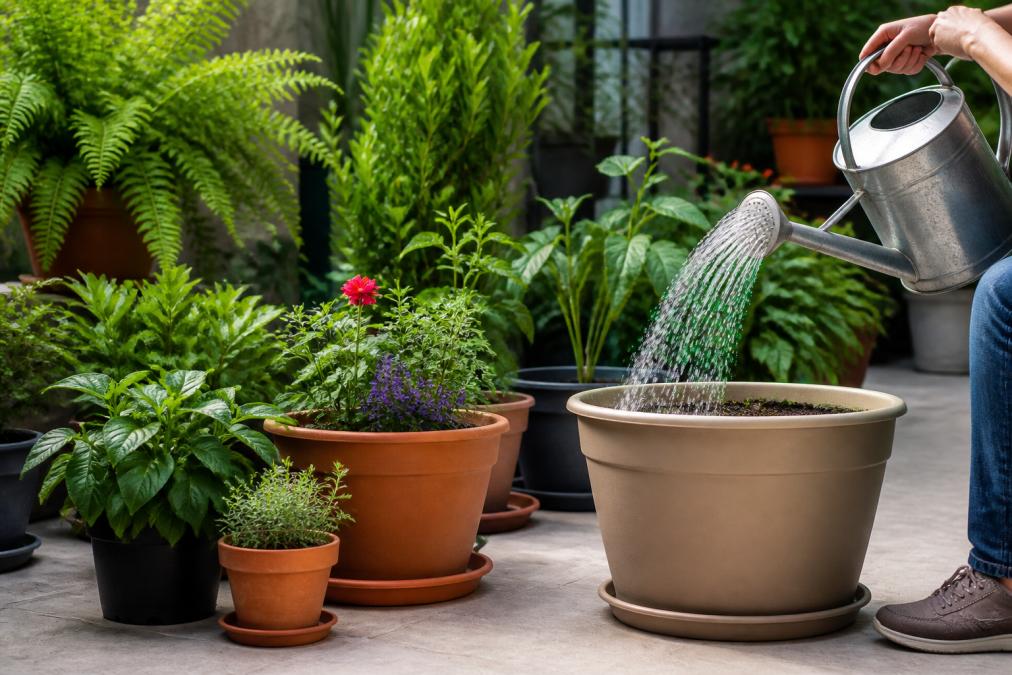
Most people approach this backwards. They buy attractive pots, fill them with whatever soil is on sale, and wonder why their plants struggle by mid-summer. The real issue isn't the plant, it's that the setup itself is working against healthy growth. Beloit Plastics LLC has engineered solutions that address this exact problem, with planters designed specifically for long-term durability and consistent moisture management throughout every season.
The difference between a setup that works and one that fails comes down to intentional choices at the start. Proper drainage prevents root rot. Appropriate pot sizing prevents plants from becoming root bound. Quality potting medium ensures nutrients stay available and water distributes evenly. These aren't optional refinements. They're the fundamentals that separate thriving container gardens from frustrating ones.
Best Pots for Container Gardening: Choosing Durable Planters
Selecting the right pots for container gardening shapes everything that follows. The material matters. The size matters. The drainage matters. Each decision cascades into how much work you'll do and how well your plants perform.

What Makes a Pot Reliable for Patio Use
A reliable planter for patio environments must handle freeze-thaw cycles, intense sun exposure, and constant moisture without cracking, fading, or degrading. Polypropylene construction, specifically high-impact polypropylene, delivers this durability. Unlike ceramic pots that crack in winter or cheap plastic that becomes brittle in direct sunlight, quality polypropylene remains flexible and strong through temperature swings.
The color should be molded throughout the material, not just painted on the surface. This means the pot maintains its appearance season after season, even under intense UV exposure. Fade-resistant pots keep patios looking intentional rather than weathered.
Weight matters more than most people realize. Heavy ceramic pots look beautiful but become nearly impossible to move once filled with soil and water. Lightweight polypropylene planters from Beloit Plastics LLC let you rearrange your patio layout without calling for backup.
The saucer included with the pot is just as important as the pot itself. A quality saucer collects excess water and protects your deck or patio surface from water stains and rings. The underside should be ribbed to keep the saucer slightly above the floor, allowing air circulation underneath and preventing moisture from pooling directly against your deck or pavers.
Sizing Your Planters for Long-Term Success
Container size determines whether your plants thrive or struggle. Most gardeners undersize their pots, thinking smaller containers mean less soil to manage. This backfires. Undersized pots dry out too quickly, force plants to compete for nutrients in a shrinking root zone, and make frequent watering mandatory.
A plant in a pot that's too small becomes root bound, the roots have nowhere to expand and start circling the inside of the pot. This stunts growth and eventually kills the plant. The solution is simple: go bigger than you think you need.
For herbs and small perennials, a 4-inch pot works for the first season. The Austin Planter 4-inch pots with saucers work well for starting small herbs, while the graduated sizing in the 12-piece set lets you scale plants as they grow.

Matching pot sizes to plant types prevents the constant cycle of repotting. A reliable patio plant care approach uses the right size from the start, then adjusts only when growth clearly demands it.
| Pot Size | Best For | Typical Plant Life | Notes |
|---|---|---|---|
| 4 inch | Herbs, small annuals | 1 season | Lightweight, portable, good for testing varieties |
| 6-8 inch | Perennials, small shrubs | 2-3 seasons | Sweet spot for most patio containers |
| 10-12 inch | Large shrubs, trees | 3+ seasons | Requires more soil, holds moisture longer |
| 14+ inch | Feature plants, specimen trees | 4+ seasons | Substantial size, consider placement before moving |
Container Gardening Watering Schedule: Getting Frequency Right
Watering is where most container gardeners fail. They either water too much, creating soggy soil that suffocates roots, or too little, leaving plants stressed and vulnerable. A container gardening watering schedule depends on three variables: pot size, plant type, and current weather.
Containers dry out faster than in-ground gardens because soil is exposed to air on all sides. A 4-inch pot in full sun might need water every day in summer. A 12-inch pot in partial shade might need water every 2-3 days. The only reliable method is checking soil moisture yourself.
Push your finger into the soil about an inch deep. If it feels dry, water thoroughly until water drains from the bottom. If it still feels moist, wait another day. This simple test beats any watering schedule because it accounts for your specific conditions.
Sample Pack 12-Piece Flower Pot and →
Seasonal Adjustments to Irrigation Frequency
Spring and early summer demand the most frequent watering. Plants are actively growing, temperatures are rising, and soil dries quickly. During peak summer heat, container plants often need daily watering.
Fall brings a shift. Growth slows, temperatures drop, and evaporation decreases. Cut watering frequency to every 2-3 days. Winter is minimal, many plants go dormant or nearly dormant. Water only when soil is completely dry, which might be once a week or less.
This seasonal rhythm prevents the common mistake of maintaining summer watering schedules into fall, which leads to waterlogged soil and root rot just as plants are entering dormancy.
How to Prevent Root Rot in Pots: Essential Drainage Practices
Root rot is the leading cause of container plant death. It happens when soil stays waterlogged, oxygen can't reach the roots, and fungal pathogens move in. The solution isn't complicated, it's consistent drainage.
Every pot must have drainage holes. Multiple holes are better than one.
Soil Aeration and Potting Medium Selection
Standard garden soil doesn't work in containers. It compacts, blocks drainage, and holds too much moisture. Potting medium, also called potting mix, is engineered to stay aerated and drain well while retaining enough moisture for plant roots to access.
Fertilization and Nutrient Management for Container Plants
Container plants deplete nutrients faster than in-ground gardens. Each watering leaches nutrients through the drainage holes. Without replenishment, plants gradually show nutrient deficiency symptoms: yellowing leaves, weak growth, or poor flowering.
Seasonal Maintenance and Winterization for Patio Gardens
Container gardens demand seasonal attention. Spring means refreshing soil, adjusting pot sizes, and starting new plants. Summer is about consistent watering and feeding. Fall requires preparation for cold months. Winter is dormancy management.
Deadheading and Pruning for Continuous Blooms
Removing spent flowers, deadheading, signals the plant to keep blooming rather than producing seeds. Regular deadheading extends flowering season by weeks. Pinch off faded blooms as soon as they wilt, and flowering plants will reward you with continuous new blooms through fall.
Preparing Plants for Cold Months
Before the first frost, assess which plants will survive winter outdoors in your zone and which need protection or moving indoors. Tender annuals won't survive freezing temperatures, so plan to compost them or move them to a sheltered location. Hardy perennials and shrubs need different preparation.
Managing Pests and Disease in Container Gardens
Container gardens can develop pest and disease problems just like in-ground gardens, but they're easier to manage because you can isolate affected plants. Early detection is critical.
Frequently Asked Questions
How often should I water my patio plants in containers?
Container gardening watering frequency depends on season, plant type, and climate. During growing season (spring/summer), check soil moisture daily, water when the top inch feels dry. Most patio plants need watering 2-4 times weekly. In fall and winter, reduce to once weekly or less. Always check soil before watering; overwatering is the leading cause of container plant failure. Use saucers to catch excess water and monitor how quickly soil dries.
What causes root rot and how can I prevent it in pots?
Root rot occurs when roots sit in waterlogged soil, suffocating from lack of oxygen. To prevent root rot in pots: ensure drainage holes are present and unobstructed, use well-draining potting medium (not garden soil), allow soil to dry slightly between waterings, and use saucers to catch excess water, empty saucers after watering so roots don't sit in standing water. High-impact polypropylene pots with built-in drainage holes protect surfaces from water damage.
What are the best pots for container gardening on a patio?
The best pots for container gardening combine durability, drainage, and weather resistance. Look for pots made from high-impact polypropylene that won't crack in freeze-thaw cycles, include drainage holes pre-drilled at the bottom, and come with matching saucers to protect your patio surface. Graduated pot sets work well for mixed plantings. Choose sizes based on plant root systems: herbs and small flowers can use 4-inch pots, while larger perennials may require 12-inch or 14-inch containers.
How do I winterize my patio container plants?
Winterization protects your container garden through cold months. Move tender perennials and annuals indoors or to sheltered areas before the first frost. For hardy plants staying outside, reduce watering significantly, roots need less moisture when growth slows. Stop fertilizing in late summer; nutrient-rich soil encourages tender new growth vulnerable to frost damage. Mulch soil surface to insulate roots. In spring, resume regular watering and feeding as new growth appears. Durable plastic pots withstand freeze-thaw cycles better than ceramic.
