Long-Term Garden Planter Reviews: Durability Test
Table of Contents
- What Makes a Garden Planter Last: Long-Term Performance Factors
- Best Planters for Outdoor Use: Product Reviews
- How to Maintain Outdoor Planters for Maximum Lifespan
- Weather-Resistant Garden Containers: Material Comparison
- Real Customer Experience: What Long-Term Users Report
- Cost-Benefit Analysis: Investment in Durability
- Frequently Asked Questions
Last Updated: September 26, 2026
What Makes a Garden Planter Last: Long-Term Performance Factors
When reading garden planter reviews, investing in outdoor planters means choosing durability. The difference between a planter that cracks after one winter and one that lasts five years comes down to three critical factors: material durability, drainage efficiency, and structural integrity. Beloit Plastics LLC's products address all three.
Freeze-thaw cycles, UV exposure, soil weight, and water saturation test every aspect of a planter's construction. The materials you choose determine whether your garden investment becomes a seasonal frustration or a reliable workhorse.
Material Durability and Weather Resistance
The material your planter is made from dictates its lifespan more than anything else. High-impact polypropylene, the material used in our Austin Planter line, resists cracking in cold weather far better than ceramic or thin plastic alternatives. This resin doesn't become brittle when temperatures drop, which is why it survives freeze-thaw cycles that destroy traditional terra cotta.

UV rays fade cheap plastics and degrade their structural integrity over time. Our planters use colorfast polypropylene where the color is molded throughout the material, not just painted on the surface. This means the vibrant finish lasts several seasons without the chalky, faded look that develops on lower-quality containers.
Drainage Efficiency and Root Health
Poor drainage kills plants faster than almost anything else. Roots sitting in stagnant water develop root rot within weeks. Every planter from Beloit Plastics LLC comes with drainage holes already drilled into the bottom. No drilling required, no guesswork about placement. This simple feature prevents overwatering damage and protects the roots of your flowers, herbs, and succulents.
The saucer matters just as much. Our Austin Planter saucers have a ribbed underside that elevates the pot slightly above the floor or deck surface, creating airflow underneath and preventing moisture from pooling. The support grid promotes airflow while keeping the pot stable and level.
Structural Integrity Under Seasonal Stress
Moist soil is heavy, a 12-inch pot filled with wet potting mix can weigh 20 pounds or more. Add wind stress, temperature swings, and root pressure, and you need thick-walled polypropylene construction that handles this load without flexing or cracking over time.
A slightly wider top than bottom prevents soil from pushing walls outward under pressure, keeping your planter holding its shape year after year.
Best Planters for Outdoor Use: Product Reviews
Beloit Plastics LLC offers several options, each engineered for long-term performance.
Austin Planter 4-Inch Sets: Budget-Friendly Durability
The Austin Planter 4-inch sets deliver serious value for gardeners just starting out or those who need multiple containers. Available in Lime Green, Terra Cotta, or White Granite, these 5-packs are made from 95% recycled polypropylene with fade-resistant color that lasts several seasons.
At $16.45 to $19.99 per 5-pack, these represent the most affordable entry point into durable outdoor planters. Each pot includes a matching saucer with ribbed underside and support grid, plus pre-drilled drainage holes.
The lightweight construction makes these easy to move around your patio or deck, and included saucers protect your surfaces from water damage. At 4 inches, these suit small plants, herbs, and shallow-rooted flowers, not large shrubs or plants needing deep soil.
12-Piece Graduated Flower Pot and Saucer Set: Complete Solution
This comprehensive set ranges from 2 inches to 12 inches, covering nearly every planting scenario for $19.99, excellent value for creating a complete container garden from scratch.
Every pot and saucer comes with drainage holes and support grid design. The polypropylene construction includes over 90% recycled plastic, making an environmentally conscious choice while delivering durability.
Having the right size pot for each plant eliminates guesswork: small succulents in 2-inch pots, herbs in 4 to 6-inch sizes, and larger flowers in 10 to 12-inch containers.
MRAP 14-Inch and Oval Pot Options: Premium Capacity
The MRAP 14-inch round pot (14" wide × 5" tall) and 17-inch oval pot handle larger plants, flowering shrubs, and mixed plantings needing substantial soil volume.
The oval pot (17" × 9") maximizes space efficiency on narrow patios or entryways, with the same weather-resistant polypropylene construction and matching saucers.
The MRAP 14-inch runs $20.75, while the oval pot costs $39.75, premium options for gardeners ready to invest in statement pieces.
| Planter Style | Size | Price | Best For | Key Feature |
|---|---|---|---|---|
| Austin 4-inch (5-pack) | 4" diameter | $16.45-$19.99 | Budget gardens, herbs | Lightweight, colorfast |
| 12-Piece Graduated Set | 2"-12" range | $19.99 | Complete gardens, variety | Full size range |
| MRAP 14-inch | 14" diameter | $20.75 | Large plants, shrubs | Deep capacity |
| Oval Pot | 17" × 9" | $39.75 | Entryways, narrow spaces | Premium statement piece |
How to Maintain Outdoor Planters for Maximum Lifespan
Durability starts with the planter itself, but maintenance determines how long it actually lasts. Proper care prevents premature wear and keeps your containers looking good season after season.
Seasonal Cleaning and Surface Care
Dirt, algae, and mineral deposits build up on planter surfaces over time. Use mild soap, warm water, and a soft brush; for stubborn stains, use white vinegar and water.
Clean your planters in early spring and late fall. This twice-yearly routine prevents permanent discoloration. The color-molded polypropylene resists staining better than painted surfaces, so regular cleaning is all you need.
Sample Pack 12-Piece Flower Pot and →
Avoid abrasive scrubbers or harsh chemicals, which scratch the surface and accelerate fading. Gentle cleaning preserves the fade-resistant finish.
Preventing Freeze-Thaw Damage in Cold Climates
Freeze-thaw cycles are the primary threat to planters in northern climates. Water trapped in soil expands when it freezes, creating internal pressure. High-impact polypropylene resists this stress far better than ceramic or thin plastic, but prevention still matters.
In late fall, reduce watering as temperatures drop to reduce the amount of water in soil that will expand during freezing.
Leave the saucer under your planter during winter to allow water to drain away. The ribbed underside and support grid promote airflow that prevents moisture from accumulating.
In extremely harsh climates, move planters to a sheltered location against your house or under an eave to add years to their lifespan.
Saucer and Drainage Maintenance
Your saucer protects your deck, patio, or balcony from water stains and damage. Keep it clear of debris that might block drainage, as leaves, dirt, and moss can accumulate in the support grid and trap moisture.
Empty saucers after heavy rain or watering to prevent algae growth and mosquito breeding grounds.
The support grid design promotes airflow and prevents moisture buildup. Clean out debris with a quick garden hose rinse to maintain this benefit.
Weather-Resistant Garden Containers: Material Comparison
Understanding material choices helps you make decisions aligned with your climate and gardening style.
Polypropylene vs. Traditional Materials
Polypropylene outperforms traditional options in most climates. Terra cotta cracks in freeze-thaw cycles and requires sealing. Ceramic planters are fragile and expensive to replace.
Wood planters require regular maintenance and eventually succumb to moisture and UV exposure. Metal planters conduct heat, stressing plant roots in hot climates, and rust unless coated.
Polypropylene combines durability with low maintenance, won't rot or rust, is lightweight, and fully recyclable.
UV Resistance and Fade Performance
Cheap planters fade within a season or two because UV rays degrade surface coatings. Our planters use colorfast polypropylene with color molded throughout the material, so even scratches reveal the same color underneath.
The fade-resistant formula means your garden looks intentional and well-maintained, not weathered and neglected. This matters for the aesthetic appeal of your outdoor space.
Real Customer Experience: What Long-Term Users Report
Homeowners who've used Beloit Plastics LLC planters over multiple seasons consistently report the same thing: these containers actually last. Rick B. from Ohio noted the "Classic Look That Lasts," while Kevin D. from Oregon praised how they're "Cute, Durable, and Affordable."
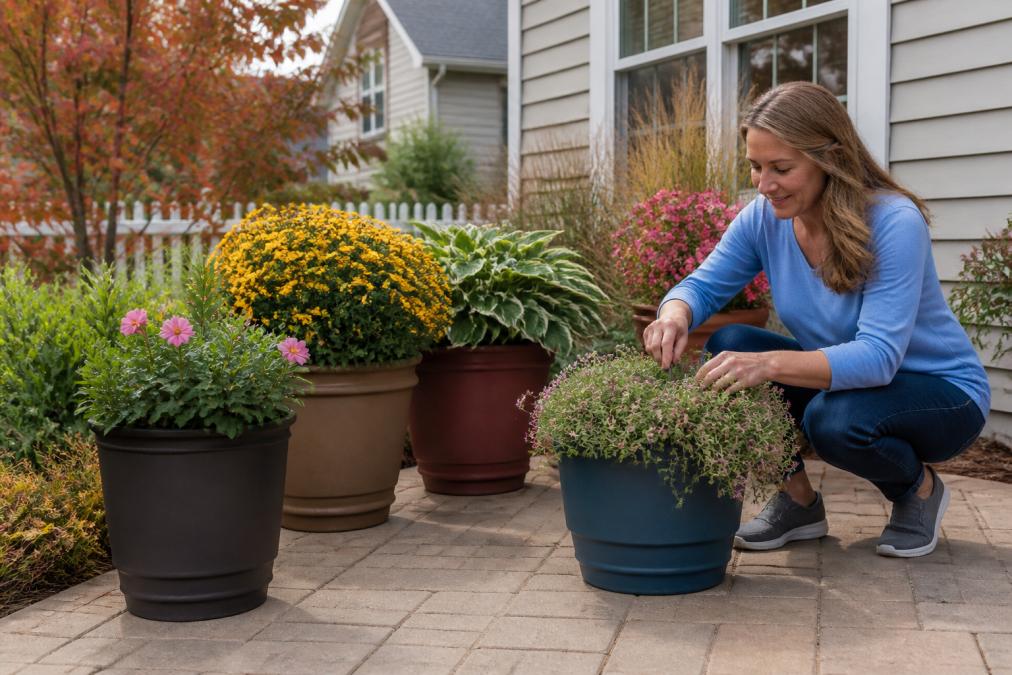
Sarah L. from Wisconsin emphasized the practical benefit: "Perfect Fit for My Patio Setup!" Her experience reflects what many long-term users discover.
Cost-Benefit Analysis: Investment in Durability
Cheap planters might seem attractive upfront. A $5 plastic pot from a big-box retailer costs less than our Austin Planter 4-inch sets at $16.45 to $19.99. But that comparison ignores the total cost over time.
Frequently Asked Questions
What material is most durable for long-term garden planters?
High-impact polypropylene offers exceptional longevity for outdoor planters. Unlike wood, it resists rot and doesn't require sealing. Compared to ceramic, polypropylene won't crack in freeze-thaw cycles. Polypropylene planters made from recycled materials maintain structural integrity for multiple seasons while remaining lightweight and weather-resistant, making them ideal for long-term garden use.
How do I know if a garden planter will survive harsh winters?
Look for planters made from impact-resistant polypropylene with documented weather resistance. The material should be molded throughout (not painted) to prevent color fading. Drainage holes and matching saucers that elevate the pot above ground prevent moisture trapping, which causes freeze-thaw damage.
Are U.S.-made garden planters worth the extra cost?
U.S.-made planters often offer superior quality control and durability testing. Domestic manufacturers typically use higher-grade polypropylene and better hardware, resulting in longer service life. Free shipping and 30-day returns reduce risk. While initial prices may be slightly higher, the durability and longevity make the investment worthwhile for serious gardeners.
What maintenance do outdoor planters need to last longer?
Seasonal cleaning removes debris and prevents mold growth. In freeze-thaw climates, empty pots before winter or ensure they have drainage to prevent ice buildup. Clean saucers regularly to prevent moisture accumulation under the pot. Fade-resistant polypropylene requires minimal upkeep compared to wood or ceramic. Most quality planters need only occasional rinsing and inspection for cracks or hardware wear.
