
Heavy Duty Plastic Planter Benefits: A Complete Guide
Table of Contents
- Why Heavy Duty Plastic Planters Stand Out
- Durability and Weather Resistance You Can Count On
- Plastic vs Terracotta Pots for Plants: Which Wins
- Weather Resistant Outdoor Planters for Extreme Conditions
- Moisture Retention and Root Health
- How to Clean Plastic Planters and Maintain Long-Term Performance
- Cost-Effectiveness and Long-Term Value
- Frequently Asked Questions
Last Updated: September 23, 2026
Why Heavy Duty Plastic Planters Stand Out
Heavy duty plastic planter benefits extend far beyond what most gardeners realize when they first make the switch. The difference between a standard plastic pot and a heavy duty plastic planter lies in material composition, structural integrity, and long-term performance through seasonal cycles.

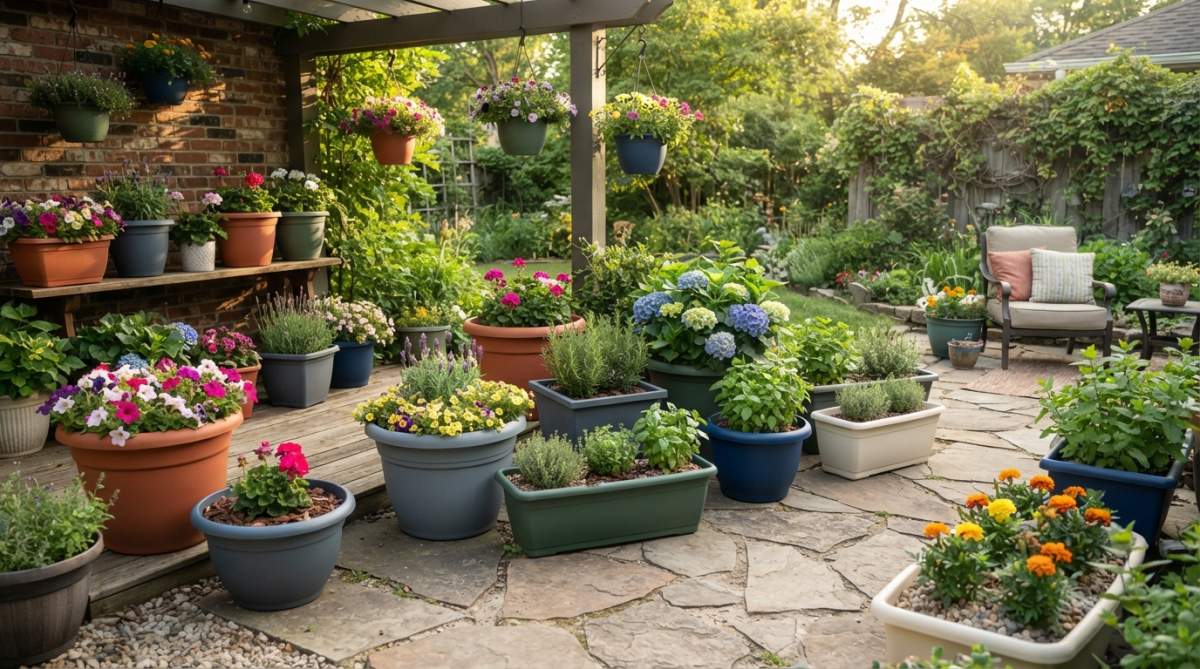
What makes heavy duty plastic planters the choice for serious gardeners isn't complicated. These planters handle weight, weather, and wear in ways that standard options simply cannot. A heavy duty plastic planter built from high-impact polypropylene resists cracking during freeze-thaw cycles, maintains structural integrity under the weight of large trees, and stays vibrant through years of direct sunlight exposure. The material itself, engineered to resist UV degradation and brittleness, performs consistently whether you're gardening in a humid subtropical climate or enduring harsh northern winters.
Container gardening demands planters that work harder than decorative pots. Heavy duty plastic planter benefits include superior drainage management, thermal stability for root development, and the ability to support substantial weight without warping or failing. Whether you're growing herbs on a small balcony or establishing a substantial tree in your yard, the structural reliability of a heavy duty plastic planter matters more than aesthetics alone.
Durability and Weather Resistance You Can Count On
Heavy duty plastic planters engineered from high-impact polypropylene deliver durability that outlasts multiple seasons of exposure to sun, rain, freeze cycles, and temperature swings. The material composition determines whether a planter becomes brittle and cracks or maintains its structural integrity year after year.
Weather resistance in heavy duty plastic planters comes from two sources: the inherent properties of the resin-based material and the thickness of the container walls. Polyethylene and polypropylene resist UV degradation far better than standard plastic, which yellows and becomes fragile under extended sunlight. A quality heavy duty plastic planter won't develop the hairline fractures that appear in cheaper options after just one freeze-thaw cycle.
Frost resistance is critical for northern gardeners. When water inside soil expands during freezing, it exerts tremendous pressure on container walls. Standard plastic buckles or cracks. Heavy duty plastic planters withstand this pressure because the walls are thicker and the material itself has greater impact resistance. The result is a planter that survives multiple winters without degradation.
The ribbed design underneath many heavy duty plastic planters serves a practical purpose beyond aesthetics. This underside ribbing lifts the planter slightly off the floor, allowing air circulation beneath the pot. This prevents water from pooling directly under the planter and protects decks, patios, and hardwood surfaces from water stains and damage. For apartment dwellers and homeowners protecting expensive outdoor furniture, this feature alone justifies choosing heavy duty options.
Plastic vs Terracotta Pots for Plants: Which Wins
The choice between plastic and terracotta represents fundamentally different approaches to container gardening. Each material has genuine strengths, but heavy duty plastic planters outperform terracotta in most practical scenarios, particularly for long-term outdoor use and weight-sensitive situations.
Terracotta offers aesthetic appeal that plastic cannot replicate. The earthy color and traditional appearance suit many garden designs. However, terracotta is porous, water passes through the clay walls themselves, which increases transpiration rates and requires more frequent watering. For gardeners managing multiple containers or those with limited time for daily watering, this becomes a significant drawback.
Durability tells the real story. Terracotta cracks easily when exposed to freeze-thaw cycles. Water absorbed into the porous clay expands when frozen, shattering the pot from the inside. In northern climates, terracotta planters rarely survive more than one or two winters outdoors. Heavy duty plastic planters, by contrast, handle repeated freeze-thaw cycles without damage.
Weight matters more than many realize. A large terracotta pot filled with soil becomes extremely heavy, often 50+ pounds, making it difficult to move or position. Heavy duty plastic planters weigh a fraction of that while maintaining comparable capacity. For balcony gardens, rooftop installations, or any situation where weight affects structural safety, plastic is the practical choice.
| Feature | Heavy Duty Plastic | Terracotta |
|---|---|---|
| Freeze-Thaw Resistance | Excellent | Poor |
| Weight | Light (easy to move) | Heavy (difficult) |
| Moisture Retention | Superior | Lower (more watering needed) |
| Durability Outdoors | Long-lasting | 1-2 years |
| Cost | Moderate | Variable |
| Aesthetic Appeal | Modern/varied | Traditional |
| Drainage Control | Excellent | Fixed |
Heavy duty plastic planters also allow better moisture management. The non-porous surface means water stays in the soil longer, reducing watering frequency. For apartment dwellers managing container gardens or anyone in drier climates, this efficiency is invaluable. Terracotta's porosity works against gardeners in these situations, requiring constant attention to watering schedules.
Weather Resistant Outdoor Planters for Extreme Conditions
Weather resistant outdoor planters become essential when you live in regions with temperature extremes, intense UV exposure, or unpredictable seasonal swings. Heavy duty plastic planter benefits shine brightest in these challenging environments where standard containers fail quickly.
10 inch Heavy duty polypropylene Saucer →
Thermal regulation in extreme climates requires planters that don't transfer temperature swings directly to the root system. Heavy duty plastic provides insulation that terracotta and thin plastic cannot match. In scorching heat, the plastic resists the direct heating that would bake soil in ceramic pots. In freezing conditions, the material flexibility prevents the cracking that destroys terracotta. This thermal stability supports root development even when outdoor temperatures fluctuate dramatically.
UV resistance determines how long a planter maintains color and structural integrity under relentless sun. Fade resistance in quality heavy duty plastic planters means colors remain vibrant for years, not months. The resin-based material resists the brittleness that appears in cheaper plastics exposed to intense sunlight. This matters not just for aesthetics but for structural durability, UV-degraded plastic becomes fragile and prone to cracking.
Beloit Plastics LLC manufactures weather resistant outdoor planters designed specifically for these conditions. Our heavy duty plastic planters use color molded throughout the resin, meaning the color runs through the entire material rather than sitting on the surface. This approach prevents fading and maintains appearance through years of outdoor exposure.
For extreme climates, whether brutal freeze-thaw cycles in the Northeast or intense heat and UV in the Southwest, weather resistant outdoor planters must handle the stresses that destroy lesser containers. Heavy duty plastic delivers this performance consistently, making it the reliable choice for gardeners in challenging regions.
Moisture Retention and Root Health
Moisture retention and drainage work together to create the soil conditions that support healthy root development. Heavy duty plastic planters excel at managing both, creating an environment where plants thrive. The non-porous surface of plastic prevents water loss through the container walls, a major advantage over terracotta's constant transpiration.
The relationship between moisture retention and root rot prevention is direct. Excess water must drain away from roots, but the soil itself must retain adequate moisture for plant uptake. Heavy duty plastic planters achieve this balance through drainage holes and the material's inherent properties. Water doesn't evaporate through the pot walls, so plants need less frequent watering while still receiving proper drainage.
Aeration within the potting mix depends partly on how the container manages water. Heavy duty plastic planters with properly sized drainage holes allow excess water to escape while the material itself doesn't absorb moisture.
How to Clean Plastic Planters and Maintain Long-Term Performance
Maintenance of heavy duty plastic planters is straightforward, which contributes significantly to their long-term value. Unlike terracotta, which requires special care and can be damaged by harsh cleaning, plastic planters tolerate aggressive cleaning without degradation.
Cost-Effectiveness and Long-Term Value
American-made quality from Beloit Plastics LLC ensures you're investing in products engineered for longevity. Our commitment to direct shipping and 30-day returns means you can purchase with confidence, knowing that your investment is protected and that you're supporting domestic manufacturing.
Frequently Asked Questions
Will heavy duty plastic planters crack in freeze-thaw cycles?
Heavy duty plastic planters made from polyethylene and polypropylene are engineered to withstand freeze-thaw cycles common in cold climates. These materials maintain structural integrity through temperature fluctuations without becoming brittle. The key is selecting planters specifically labeled as frost-resistant. Beloit Plastics LLC's heavy duty options are designed for year-round outdoor use and have proven durability across harsh winter conditions, as confirmed by customers in regions with severe seasonal changes.
How do heavy duty plastic planters compare to terracotta in terms of weight and portability?
Heavy duty plastic planters are significantly lighter than terracotta while maintaining superior impact resistance. A 10-inch terracotta pot can weigh 3-5 pounds empty, whereas comparable plastic planters weigh under 1 pound. This lightweight advantage makes repositioning planters easy without sacrificing durability. For apartment dwellers or those with mobility concerns, plastic planters offer practical portability without compromising the structural integrity needed to support large, heavy plants.
What makes heavy duty plastic planters better at moisture retention than other options?
Plastic's lower porosity compared to terracotta reduces transpiration and water loss through the container walls. While terracotta allows moisture to wick away rapidly, plastic planters retain moisture longer, creating a more stable environment for root development. Many heavy duty plastic planters include drainage holes and reservoir-style saucers that work together to manage moisture effectively, preventing both root rot and excessive drying between waterings.
Are heavy duty plastic planters recyclable and eco-friendly?
Yes, high-quality heavy duty plastic planters made from polyethylene and recycled polypropylene are fully recyclable. Many manufacturers, including Beloit Plastics LLC, use 95% recycled materials in their products, reducing waste and environmental impact. At end of life, these planters can be recycled through standard plastic recycling programs, making them a sustainable choice for environmentally conscious gardeners compared to single-use alternatives.
