
Are Plastic Planters Worth It? A Practical Guide
Table of Contents
- Are Plastic Planters Worth It? What You Need to Know
- Plastic vs Terracotta Planters: Key Differences
- Benefits of Plastic Flower Pots for Your Garden
- Cost-Effectiveness Over Time
- Durable Plastic Planters for Sale: What to Look For
- Environmental Considerations and Sustainability
- Common Concerns About Plastic Planters Addressed
- Conclusion: Making the Right Choice for Your Space
- Frequently Asked Questions
Last Updated: October 2, 2026
Are Plastic Planters Worth It? What You Need to Know
The question of whether plastic planters are worth it hinges on one simple reality: what matters most to you as a gardener. If durability, ease of maintenance, and long-term cost-effectiveness drive your decisions, plastic planters deliver measurable value. If aesthetics and traditional materials feel non-negotiable, the equation changes. At Beloit Plastics LLC, we help homeowners and gardeners navigate this exact choice, and the answer isn't one-size-fits-all.
Plastic planters have evolved dramatically over the past decade. They're no longer the brittle, faded containers many remember from years past. Modern plastic planters, especially those made from high-impact polypropylene with recycled content, offer genuine performance advantages that justify their place in any serious gardener's toolkit.
Below, we'll break down the practical trade-offs between plastic and terracotta, explore the tangible benefits that make plastic worth considering, and address the concerns that keep many gardeners hesitant.
Plastic vs Terracotta Planters: Key Differences
Comparing plastic and terracotta requires looking beyond surface-level aesthetics. These materials behave fundamentally differently in your garden, and understanding those differences is essential to making the right choice.
Moisture Retention and Drainage
Terracotta is porous. Water evaporates through its walls at a predictable rate, which means soil dries faster and roots get consistent gas exchange.
Plastic is non-porous. It doesn't allow water or air to pass through the container walls, which means moisture stays in the soil longer.
The practical difference shows up in your watering schedule. Terracotta plants typically need water more frequently because evaporation is constant.
Durability and Weather Resistance
Here's where plastic makes its strongest case. Terracotta is fragile. It cracks in freeze-thaw cycles, shatters when dropped, and degrades visibly over a few years of outdoor exposure. In cold climates, terracotta planters rarely last more than two to three seasons without damage.
Plastic planters made from quality polypropylene are engineered for durability. They withstand temperature swings, resist UV degradation when formulated correctly, and don't crack under freeze-thaw stress. A well-made plastic planter can last several seasons of continuous outdoor use. The 12-inch Red Pot with Saucer from Beloit Plastics LLC, for example, combines high-impact polypropylene construction with weather-resistant design specifically engineered for patios, decks, and yards.

The durability advantage compounds over time. While terracotta might look elegant initially, replacing it annually or every other season adds up. Plastic's longer lifespan means fewer replacements and less waste.
Benefits of Plastic Flower Pots for Your Garden
Plastic planters deliver concrete benefits that extend beyond just cost. Understanding these advantages helps explain why they've become standard for both commercial nurseries and home gardeners.
Lightweight and Portability
A 12-inch terracotta pot filled with soil weighs roughly 15 pounds. The same plastic planter weighs about 3-4 pounds. This difference matters more than it sounds, especially if you're rearranging your garden seasonally, moving plants indoors for winter, or managing a balcony garden with weight restrictions.
Lightweight construction also means less strain on your back and joints when handling larger containers. For apartment dwellers or anyone without easy access to ground-level storage, lightweight planters are genuinely practical.
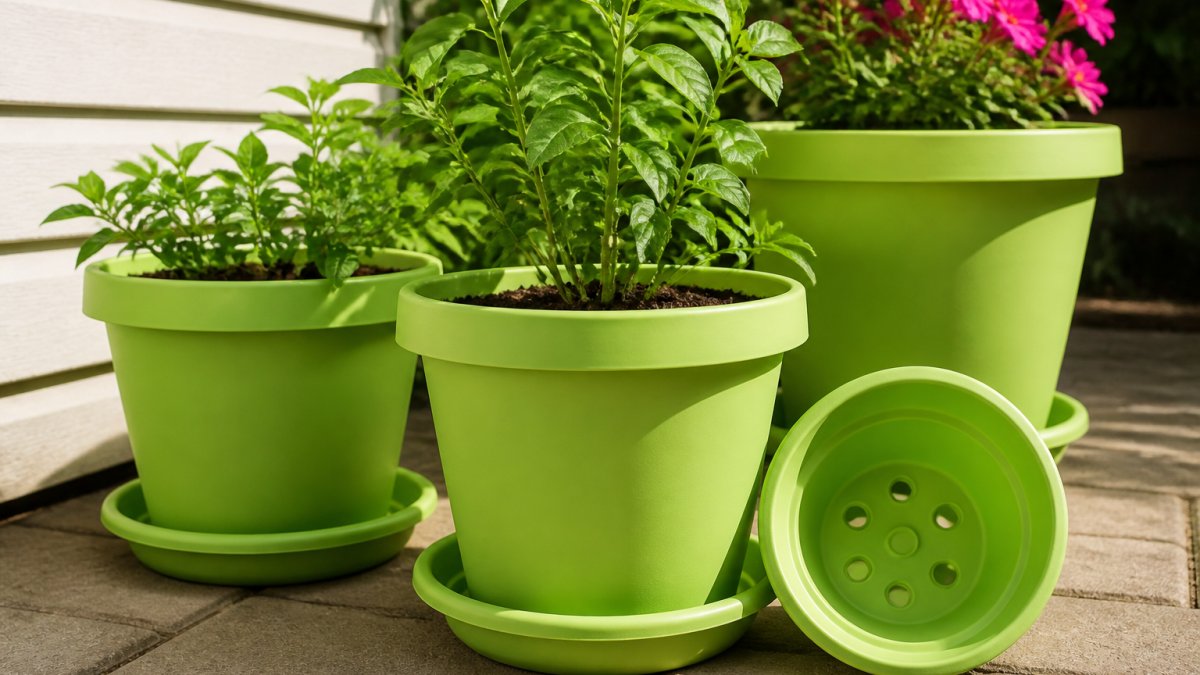
The Austin Planter Plastic Flower Pots with Saucers, 4 inch, Lime Green, 5 Pack exemplifies this benefit, lightweight yet durable enough for several seasons of use. The portability factor alone makes plastic worth considering if you value flexibility in your garden design.

Root Health and Temperature Regulation
Plastic doesn't absorb and radiate heat the way terracotta does. In hot climates, this can be an advantage, soil temperatures stay more moderate, reducing heat stress on roots.
Terracotta conducts heat efficiently, which means soil temperature fluctuates with air temperature. For heat-sensitive plants like certain herbs and shade-loving perennials, plastic's thermal stability is beneficial.
This matters most for container gardening in extreme climates.
Cost-Effectiveness Over Time
The upfront price of plastic planters is typically lower than terracotta, but the real cost advantage emerges over time.
Consider a practical scenario: five plastic planters from Beloit Plastics LLC cost $19.99 for the 4-inch set, and they'll likely last several seasons with minimal maintenance.
The long-term cost advantage of plastic becomes clear when you factor in replacement frequency. Plastic planters reduce your replacement cycle.
| Factor | Terracotta | Plastic |
|---|---|---|
| Initial cost per planter | $10-20 | $4-8 per unit (bulk sets available) |
| Expected lifespan | 2-3 years (outdoor) | 5-7 years |
| Replacement frequency | Annual/biennial | Every 5-7 years |
| Total 5-year cost | $50-100+ | $20-40 |
| Maintenance requirements | Minimal | Minimal |
Durable Plastic Planters for Sale: What to Look For
Not all plastic planters are created equal. Cheap plastic degrades quickly, cracks easily, and looks shabby within a season. Quality matters, and knowing what to evaluate helps you avoid wasting money on inferior products.
Material Quality and UV Resistance
Look for planters made from high-impact polypropylene or similar durable polymers. These materials resist cracking and maintain structural integrity through temperature swings.
UV degradation is the silent killer of cheap plastic planters. They fade, become brittle, and eventually crack from sun exposure.
Check the product description for mentions of recycled content and UV resistance. Planters made from recycled plastic often perform well.
Austin Planter Plastic Flower Pots with Saucers, 4 inch, Lime Green, 5 Pack →
Drainage and Saucer Design
Proper drainage is non-negotiable. Look for multiple drainage holes on the bottom of any planter you consider. A single drainage hole creates water pooling and root rot risk. Several holes distributed across the base ensure excess water escapes consistently.
Matching saucers matter more than many gardeners realize. A well-designed saucer collects excess water without trapping moisture directly under the pot.
The MRAP 14-inch Pot and Saucer from Beloit Plastics LLC exemplifies this attention to drainage design. The saucer includes a support grid that promotes airflow and prevents moisture buildup, a detail that prevents the most common cause of root rot in container gardening.

Environmental Considerations and Sustainability
The environmental case for plastic planters is more nuanced than it initially appears.
Plastic planters made from recycled polypropylene represent a genuine sustainability advantage. They give new life to plastic waste that would otherwise enter landfills.
The longevity factor tips the sustainability balance toward plastic.
Recyclability matters too. At the end of their lifespan, plastic planters can be recycled if your local facilities accept polypropylene.
Common Concerns About Plastic Planters Addressed
Skepticism about plastic planters is reasonable. They've earned that skepticism through decades of cheap, low-quality products. But addressing specific concerns head-on helps separate legitimate worries from outdated assumptions.
Will They Crack in Winter?
This is the question we hear most, especially from gardeners in cold climates. The short answer: quality plastic planters won't crack in freeze-thaw cycles. Cheap plastic will.
The reason is material composition. High-impact polypropylene maintains flexibility even in cold temperatures.
The difference between a plastic planter that survives winter and one that cracks comes down to material quality and thickness. Thin plastic fails. Thick, durable polypropylene succeeds. The 12-inch Red Pot with Saucer from Beloit Plastics LLC is specifically engineered with high-impact polypropylene for weather resistance, suitable for indoor or outdoor use.
If you're in a harsh freeze-thaw climate, plastic actually outperforms terracotta. This is one area where plastic's engineering advantage becomes immediately obvious.
Chemical Leaching and Food Safety
The concern about chemicals leaching from plastic into soil and plants is valid in theory but requires context.
The risk is minimal with planters designed for gardening use, especially those made from recycled polypropylene. What matters is avoiding cheap, unregulated plastic from unknown manufacturers.
For edible gardening, herbs, vegetables, or fruits, use planters explicitly designed for food contact or labeled as food-safe.
Conclusion: Making the Right Choice for Your Space
Are plastic planters worth it? The answer depends on what matters most in your gardening situation.
If aesthetics and traditional materials are non-negotiable, terracotta remains a valid choice, just accept the shorter lifespan and higher replacement costs in challenging climates.
For most gardeners, the practical advantages of quality plastic planters make them worth serious consideration.
The choice ultimately comes down to your priorities and climate.
Frequently Asked Questions
Do plants grow better in plastic or terracotta pots?
Plant growth depends on your specific needs rather than the material alone. Plastic pots retain moisture longer, which benefits plants that prefer consistent hydration like herbs and succulents. Terracotta allows faster evaporation, which some plants prefer. Plastic pots also maintain more stable soil temperatures due to their insulating properties, supporting healthier root development. The key is matching the pot type to your plant's water and temperature requirements, not the material itself.
Are plastic planters durable enough for outdoor use?
Yes, quality plastic planters are designed for outdoor durability. High-impact polypropylene construction resists weather, UV rays, and temperature swings. Products made from recycled polypropylene, like those crafted from over 90% recycled plastic, offer both durability and environmental benefits. Look for planters with reinforced drainage holes and matching saucers to prevent water pooling.
What makes plastic planters worth the investment compared to cheaper alternatives?
Durable plastic planters offer long-term value through extended lifespan, lower replacement costs, and built-in features like drainage holes and matching saucers. While initial prices may seem higher than basic alternatives, quality planters eliminate frequent replacements that accumulate over time. They protect your deck or patio surfaces from water damage through proper drainage design, and their lightweight construction makes repositioning plants effortless. Direct manufacturer pricing and free shipping options further improve the overall value proposition for homeowners.
Can plastic planters be recycled after they wear out?
Many plastic planters are fully recyclable. Planters made from polypropylene can be processed through standard plastic recycling programs in most communities. Check your local recycling guidelines to confirm acceptance of polypropylene products. Choosing planters made from recycled plastic content supports the circular economy while ensuring your eventual disposal won't create waste. This sustainability aspect makes plastic planters a responsible choice for environmentally conscious gardeners planning for the long term.
