

Why Cheap Plastic Planters Fail: What to Know
Table of Contents
- Why Cheap Plastic Planters Fail: Common Causes
- How to Prevent Plastic Pots from Cracking in Winter
- The Role of Plastic Planter Drainage Holes
- How Long Do Plastic Planters Last Outdoors
- Cheap vs. Durable Plastic Planters: What Sets Them Apart
- Diagnosing Failure: When and Why Plastic Planters Break
- Choosing Planters Built to Last
- Frequently Asked Questions
Last Updated: October 9, 2026
Why Cheap Plastic Planters Fail: Common Causes
When a plastic planter cracks after one winter or becomes brittle within a season, it's not random bad luck. There are specific reasons why cheap plastic planters fail, and understanding them helps you choose better.
Cheap plastic planters fail because manufacturers cut corners on two fronts: the plastic resin itself and how thick the walls are. Thin walls mean less material to absorb stress. Poor-quality resin becomes brittle faster when exposed to temperature swings and sunlight.
Thin Walls and Low-Quality Plastic Resin
Thin-walled plastic pots are the first red flag. A quality plastic planter has walls thick enough to flex slightly without cracking. Cheap planters use minimal plastic to hit a lower price point.
Low-quality resin compounds the problem. Not all plastic is the same. Budget manufacturers often use virgin polypropylene mixed with recycled material of unknown quality. This creates inconsistent plastic that degrades faster. High-impact polypropylene, used in durable planters, resists cracking under stress.
Poor Manufacturing and Material Shortcuts
Manufacturing quality matters more than most buyers realize. Injection molding, the process used to make plastic pots, requires precision. If the mold isn't calibrated correctly, wall thickness varies across the same pot.
Cheap manufacturers also skip quality control steps. They don't test planters for cold-temperature brittleness or UV resistance. They don't verify that drainage holes are properly formed.
Better manufacturers test batches. They verify that plastic meets impact standards. They ensure drainage holes won't crack under water pressure.
How to Prevent Plastic Pots from Cracking in Winter
Plastic pots crack in winter because of freeze-thaw cycles. Water inside the soil expands when it freezes. This expansion puts pressure on the pot walls. If the plastic is already brittle from poor quality, it cracks. Prevention starts with understanding the mechanics, then taking practical steps.
Freeze-Thaw Cycles and Temperature Stress
When soil freezes, it expands. Frozen water takes up more volume than liquid water. This expansion pushes outward against the pot walls from the inside.
Temperature cycling makes it worse. A pot might freeze at night and thaw during a warm day. This repeated expansion and contraction weakens the plastic structure.
The worst scenario combines thin walls, poor plastic quality, and water-saturated soil. Remove any one of these factors, and the pot survives.
Practical Prevention Strategies
Move planters to a sheltered location before winter. A covered porch, garage, or shed protects pots from the worst temperature swings.
Drain excess water before freezing temperatures arrive. Empty saucers completely. Water sitting in a pot will freeze and expand. Reducing moisture inside the pot reduces expansion pressure.
Choose planters with thicker walls from the start. Thicker plastic flexes rather than cracks. It absorbs the stress of freeze-thaw cycles without failing. This is the single most effective prevention strategy.
| Prevention Method | Effort Level | Effectiveness | Best For |
|---|---|---|---|
| Move planters indoors | Low | Very High | Small pots, potted plants |
| Wrap with frost cloth | Low | High | Medium pots in moderate climates |
| Drain soil before winter | Very Low | High | All outdoor planters |
| Choose thick-walled pots | None (upfront choice) | Very High | Permanent outdoor placement |
| Reduce watering frequency | Low | Moderate | Any climate with winter freezing |
The Role of Plastic Planter Drainage Holes
Drainage holes are essential, but they're also a weak point in cheap plastic planters. Poor-quality drainage holes can crack under water pressure or fail to drain properly. This creates two problems: excess water around roots and structural weakness at the hole location.
Drainage Holes and Root Rot Prevention
Drainage holes allow excess water to escape. Without them, soil stays saturated. Roots sitting in water rot. This is one of the most common plant-killing mistakes. A plastic planter with no drainage holes or blocked drainage holes creates the perfect environment for root rot.
Quality drainage holes are properly formed during manufacturing. They're smooth and reinforced at the edges. Cheap planters have rough-edged holes that can crack if water pressure builds up inside.
Excess Water and Moisture Retention Problems
Moisture retention in plastic is different from clay. Plastic doesn't breathe like terracotta. Water stays in the soil longer. This is good if you forget to water, but it's bad if the pot doesn't drain well.
The saucer underneath the pot also matters. A saucer catches excess water, but it can also trap moisture if you don't empty it regularly. Water sitting in a saucer keeps the soil wet longer than needed.
Use a saucer with a support grid. This prevents moisture from pooling directly under the pot. The 12 inch Red Pot with Saucer from Beloit Plastics LLC includes an Austin Planter saucer with a ribbed underside and support grid that promotes airflow and prevents moisture buildup.

How Long Do Plastic Planters Last Outdoors
A quality plastic planter lasts 5-10 years outdoors. A cheap one might last one season. The difference depends on material quality, wall thickness, and how much direct sunlight the planter gets.
UV Exposure and Weathering Over Time
Sunlight damages plastic. UV rays break down the polymer chains that give plastic its strength. Over time, the plastic becomes brittle and fades in color.
Cheap plastic degrades faster because the resin is already weak. Adding UV exposure accelerates the breakdown. A cheap planter in full sun might become noticeably brittle within a single season.
Quality plastic includes UV stabilizers. These are additives that slow photodegradation. They don't stop it completely, but they extend the planter's lifespan significantly.
Lifespan Differences by Material Quality
Thick-walled plastic made from high-impact polypropylene lasts 7-10 years outdoors. Thin-walled plastic made from mixed-quality resin lasts 1-2 years. The difference is dramatic.
Recycled plastic can be high-quality if it's properly processed and mixed with virgin resin. Some manufacturers use 90%+ recycled plastic and still create durable planters.
Fade-resistant plastic is a sign of quality. If the color doesn't fade in the sun, the plastic itself is more resistant to UV damage.
Austin Planter Plastic Flower Pots with Saucers, 4 inch, Lime Green, 5 Pack →
Cheap vs. Durable Plastic Planters: What Sets Them Apart
The price difference between cheap and durable planters is often small. A $5 planter versus a $15 planter might seem like a big jump. But the cheap planter fails in one season while the durable one lasts five. The cost per year of use is actually lower for the durable planter.
Identifying Low-Quality Plastic Before You Buy
Feel the plastic before buying. Cheap plastic feels thin and flimsy. Durable plastic feels substantial and has some flex without feeling fragile.
Look at the color. Cheap plastic often has uneven coloring. Durable plastic has consistent, rich color throughout.
Check the drainage holes. Quality holes are clean and smooth. Cheap holes look rough or partially blocked.
Examine the thickness of the walls. Look at the rim of the pot. A thick rim suggests thick walls throughout.
Why Thicker Walls and Better Resin Cost More
Thicker walls require more plastic. More plastic costs more money. There's no way around this.
Better resin costs more because it's more carefully processed. Virgin polypropylene costs more than recycled plastic. UV stabilizers and impact modifiers add cost.
These costs add up. A durable planter might cost 2-3 times more than a cheap one. But that durable planter lasts 5-10 times longer.
Beloit Plastics LLC planters are made from 95% recycled polypropylene with proper processing and UV stabilizers.
Diagnosing Failure: When and Why Plastic Planters Break
When a plastic planter fails, understanding why helps you avoid the same problem next time. Different failure modes have different causes. Recognizing the pattern tells you whether the planter was defective or whether you need to change your care approach.
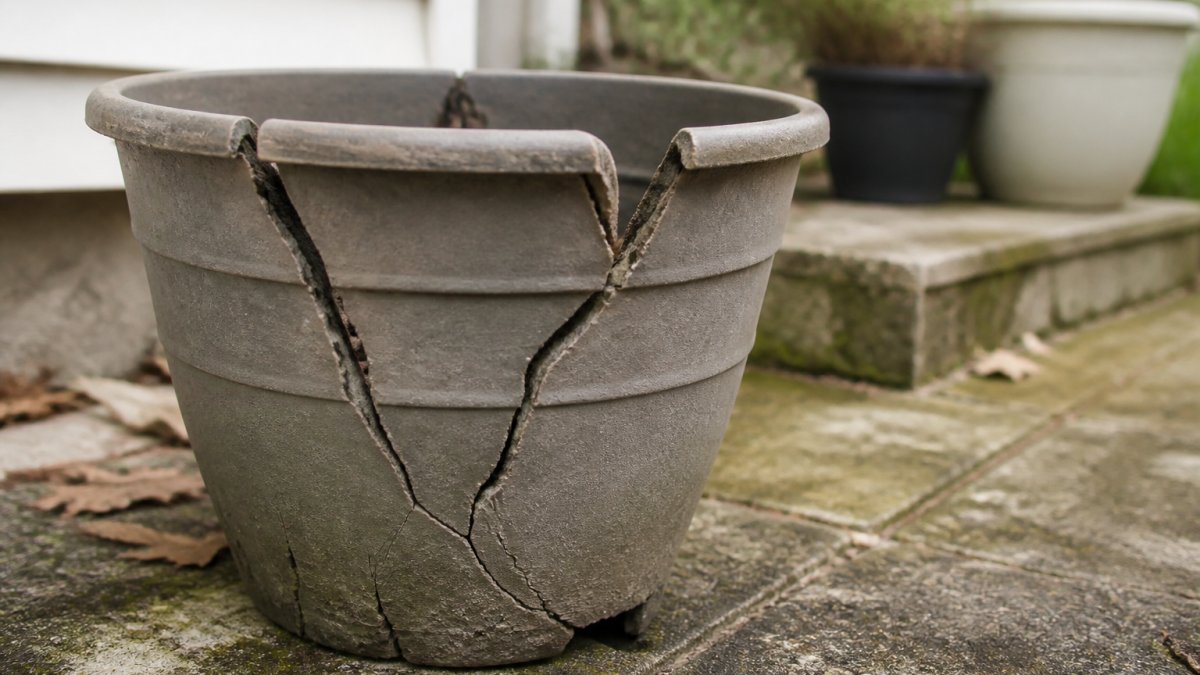
Brittle Plastic, Warping, and Structural Weakness
Brittle plastic cracks from minor impacts. A planter that shatters when you bump it against a fence is made from poor-quality resin.
Warping is different. A warped planter bends out of shape but doesn't crack. This usually happens from heat. Plastic sitting in direct sun on a dark surface gets very hot.
Structural weakness shows up as cracks that spread from stress points. Drainage holes are common failure points. Cracks often radiate from the hole.
Repair or Replace: Making the Right Choice
Small cracks in plastic pots can sometimes be repaired with waterproof epoxy. Clean the cracked area, apply epoxy, and let it cure.
Warped pots can't be repaired. Once plastic warps from heat, it stays warped. If the warping is minor and doesn't affect drainage or stability, the pot can still be used.
Brittle plastic that's cracked should be replaced. Brittle plastic will continue to crack. Repairs won't last because the underlying material is too weak.
Choosing Planters Built to Last
The best way to avoid plastic planter failure is to start with quality.
Look for planters made from recycled polypropylene with UV stabilizers. Check that the walls are thick enough to feel substantial.
Beloit Plastics LLC planters are made in the USA from 95% recycled polypropylene.
Match the planter size to your plant's root system. A planter that's too large holds excess moisture.
Consider your climate. In areas with freeze-thaw cycles, choose planters with the thickest walls available.
Frequently Asked Questions
Why do cheap plastic planters crack in cold weather?
Cheap plastic planters crack in winter because low-quality plastic becomes brittle when exposed to freeze-thaw cycles. Water trapped in the soil freezes, expands, and puts pressure on thin plastic walls. Thin-walled, low-grade polypropylene lacks the flexibility and durability to withstand this stress. Higher-quality plastic with thicker walls and better resin formulations can bend slightly without cracking, making them more resistant to temperature extremes. This is why planters designed for outdoor use in cold climates need superior plastic quality.
How important are drainage holes in plastic planters?
Drainage holes are critical for plant health and planter longevity. They allow excess water to escape, preventing root rot and soil waterlogging. Without proper drainage, roots suffocate and plants decline. Drainage holes also reduce the weight of standing water that stresses the planter's walls. When paired with a saucer that collects excess water, drainage holes protect both your plants and the surfaces beneath the pot. Cheap planters often have inadequate drainage holes or poorly designed drainage systems, compounding their failure risk.
How long do quality plastic planters last outdoors?
Durable plastic planters made from high-quality, thick-walled polypropylene can last several seasons outdoors when properly maintained. Cheap planters typically fail within one to two years of outdoor exposure due to UV degradation, temperature stress, and material brittleness. Quality planters with fade-resistant finishes and thicker walls resist weathering far better. Factors affecting lifespan include direct sunlight exposure, freeze-thaw cycles, and how well the planter is maintained. Planters made from recycled polypropylene with proper manufacturing standards consistently outperform thin, low-grade alternatives.
What makes a plastic planter durable versus cheap?
Durable plastic planters use thick-walled, high-impact polypropylene and quality resin formulations that resist UV damage and temperature stress. Cheap planters use thin plastic walls, low-grade resin, and poor manufacturing processes. Look for planters with substantial weight, consistent color throughout (not just surface coating), and sturdy construction. Durable planters also feature properly engineered drainage holes, reinforced bases, and fade-resistant finishes. Made-in-USA manufacturing typically ensures stricter quality control than mass-produced imports. While durable planters cost more upfront, they last longer and protect your plants better, making them a smarter investment.
Cheap plastic planters fail because of thin walls, poor-quality resin, and manufacturing shortcuts. Understanding these causes helps you recognize quality when you see it. A durable plastic planter costs more but lasts years longer. When you invest in planters built to last, you invest in a garden that looks good season after season. Explore Beloit Plastics LLC's durable planter selection and discover the difference quality construction makes for your outdoor space.
