Are Plastic Hanging Pots Good for Seedlings?
Last Updated: November 24, 2026
Quick Summary
Plastic hanging pots are good for seedlings because they lift tender young plants off the ground, away from soil-borne pests and splash, while keeping them in a lightweight, weather-resistant container. High-impact polypropylene is durable and saves floor space on a balcony or porch. Match pot size to root depth and check that drainage holes and a sturdy hook are in place.
- A 7-inch pot suits herbs and slow starters, while an 11-inch pot carries most seedlings through to transplant.
- Planting a seedling in a hanging pot takes about 15 minutes per pot once materials are ready.
- Harden off indoor seedlings by adding an hour of direct sun each day over a week to ten days.
- Size up when roots show at drainage holes, soil dries within a day, or leaves yellow despite feeding.
- Choose a hook rated well above the loaded weight and anchor it into a stud, joist, or rated bracket.
Table of Contents
- Why Plastic Hanging Pots Work for Seedlings
- Best Containers for Planting Seedlings: What to Compare
- Plastic Pots for Growing Seedlings: Material and Durability
- Step-by-Step: Planting Seedlings in Hanging Pots
- Large Plastic Hanging Pots for Seedlings: When to Size Up
- 15-Inch Plastic Hanging Baskets: Hooks, Load Limits, and Placement
- Watering, Cleaning, and Reusing Your Pots Season After Season
- Shop Beloit Plastics Hanging Pots for Your Seedlings
- Frequently Asked Questions
Why Plastic Hanging Pots Work for Seedlings
Plastic hanging pots for seedlings solve a specific problem: they lift tender young plants off the ground, away from soil-borne pests and splash, while keeping them in a lightweight container that hangs from a bracket, beam, or balcony rail. The material matters more than most gardeners expect.
The case for plastic is practical. High-impact polypropylene is lightweight and durable, and it is weather resistant. A hanging pot also saves floor space on a balcony or porch where a shelf would crowd the walkway.
Below, we'll show you exactly how to choose the right container, plant seedlings without shocking the roots, and keep the pots working season after season. But first, here's what most guides get wrong: they treat hanging pots as decoration and skip the drainage and load questions that decide whether your seedlings survive.
Best Containers for Planting Seedlings: What to Compare
The best containers for planting seedlings balance three things: enough root depth for the growth stage, drainage that prevents waterlogged soil, and a hanging system rated for the weight of wet soil. Get one wrong and the plant can stall. Here's how the trade-offs break down.
| Container Type | Best For | Root Depth | Watch Out For |
|---|---|---|---|
| 7-inch hanging pot | Herbs, early seedlings | Shallow | Dries out fast in sun |
| 11-inch hanging pot | Mid-stage seedlings, flowers | Medium | Needs sturdy hook |
| 15-inch hanging basket | Mature starts, trailing plants | Deep | Heavy when soaked |
Container Size and Root Depth
Seedling roots need room to spread before they hit the pot wall. A 7-inch pot suits herbs and slow starters; an 11-inch pot carries most seedlings through to transplant or full growth. Size up when roots circle the drainage holes or the plant wilts within a day of watering.
Matching Pot Size to Seedling Growth Stage
Rather than treating all seedlings alike, match the container to the plant's root development and top growth. Seedlings can be moved into a hanging pot once they have developed roots that hold the soil together. A 7-inch hanging pot is available for compact herbs, and an 11-inch pot is available for larger plants.
Drainage Holes and Attached Saucers
Drainage holes let excess water escape so roots don't sit in saturated soil. An attached saucer catches runoff and keeps it off your deck or railing. The pairing matters: a pot with holes and no saucer stains surfaces, while a saucer without airflow traps moisture underneath. If you're matching saucers to planters, our guide on how to match hanging planters with saucers for drainage walks through the fit.
Plastic Pots for Growing Seedlings: Material and Durability
Plastic pots for growing seedlings earn their place through durability and weight.
Our pots use color molded throughout the resin.
For a deeper comparison of materials, see our guide to the best pots for container gardening. The short version: plastic wins on weight and weather resistance, ceramic wins on looks, and terracotta-colored plastic gives you most of the look without the fragility.
Step-by-Step: Planting Seedlings in Hanging Pots
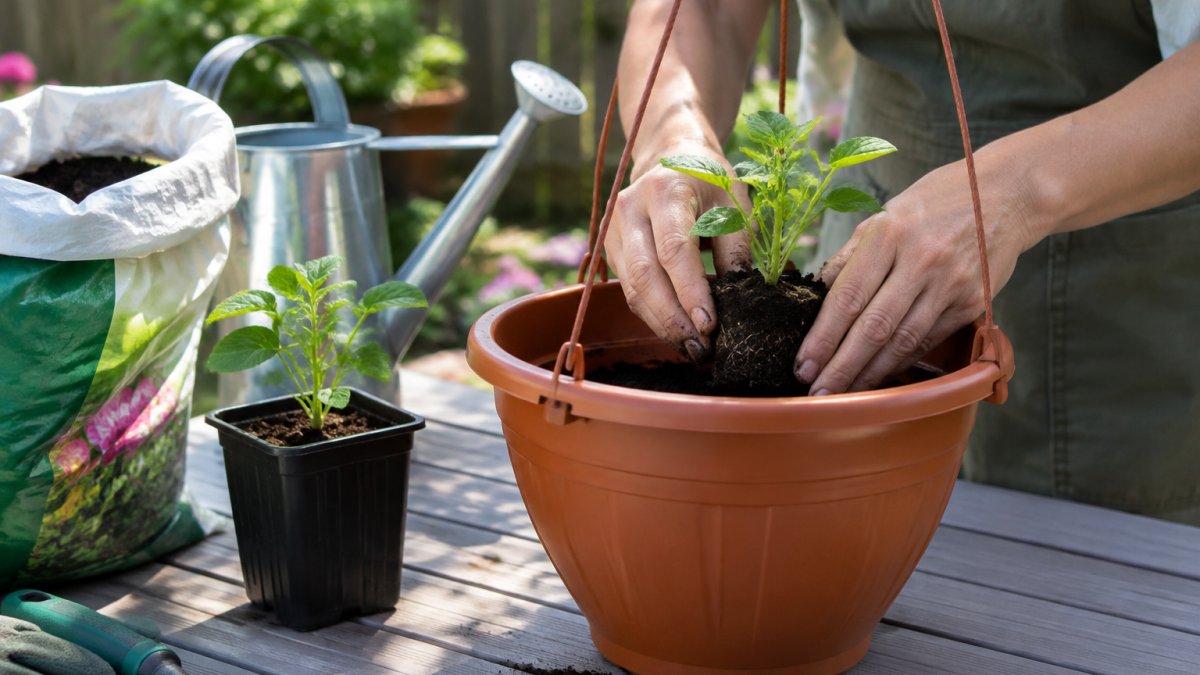
Planting seedlings in a hanging pot takes about 15 minutes per pot once your materials are ready. The sequence matters: fill, transplant, water, then hang. Skip the order and you'll water a pot that's already swinging from a hook.
Filling, Transplanting, and the First Watering
- Add drainage material and soil. Place a small stone or screen over the drainage holes, then fill the pot two-thirds with moist potting mix.
- Loosen the root ball. Squeeze the nursery pot gently and tease the roots apart with your fingers.
- Set the seedling. Position it so the soil line sits level with the pot rim, then backfill and firm gently.
- Water thoroughly. Water until it runs from the drainage holes, and let the pot drain before hanging.
- Hang and check. Confirm the hook holds the wet weight and the pot hangs level.
Our 11-inch hanging seedling pots with hangers come as a five-pack with drainage holes already molded in, so you can plant a full row at once.
Hardening Off Before the Move Outdoors
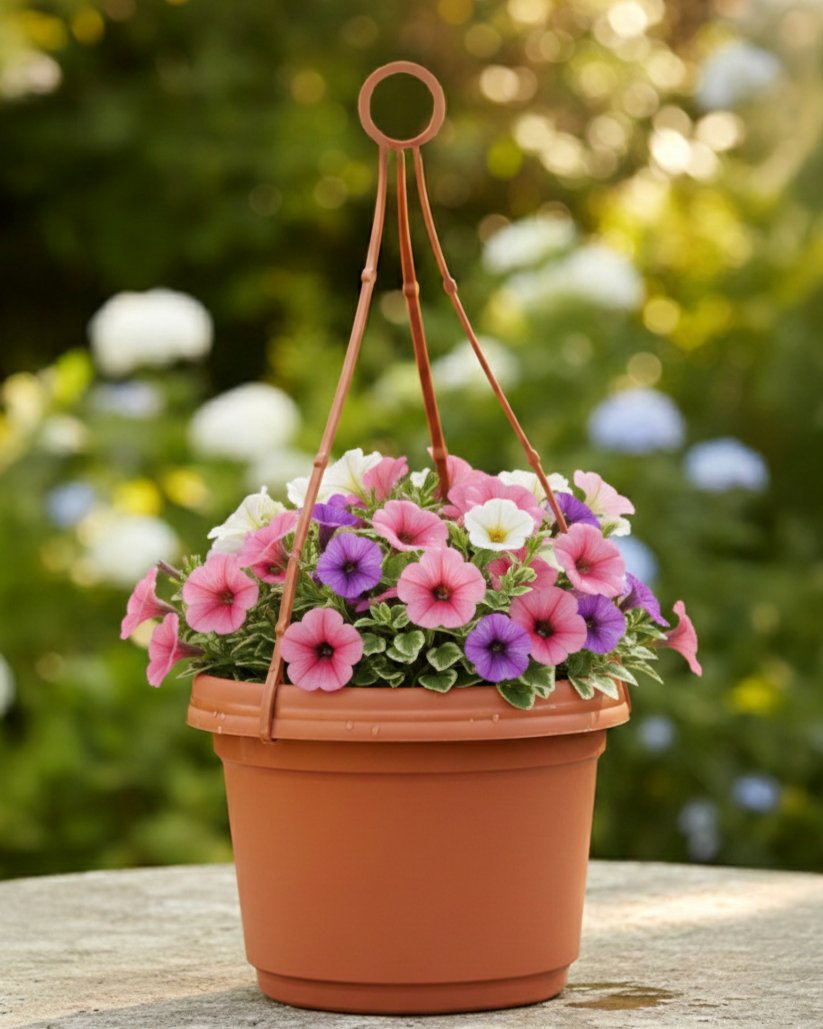
Seedlings started indoors need a gradual transition before they face full sun and wind. Move pots to a shaded porch for two hours on day one, then add an hour of direct sun each day over a week to ten days. Bring them in at night if temperatures dip.
Large Plastic Hanging Pots for Seedlings: When to Size Up
Size up when the plant tells you to, not on a calendar. Large plastic hanging pots for seedlings make sense once roots fill the current container or the plant needs more soil to hold moisture through a hot afternoon. Three signals say it's time:
- Roots visible at the drainage holes
- Soil drying out within a day of watering
- Leaves yellowing despite consistent feeding
Move up one size at a time. Jumping from a 7-inch pot straight to a 15-inch basket leaves excess wet soil around undeveloped roots. If you're stepping up, our 9-inch hanging pots bridge the gap before a full-size basket.
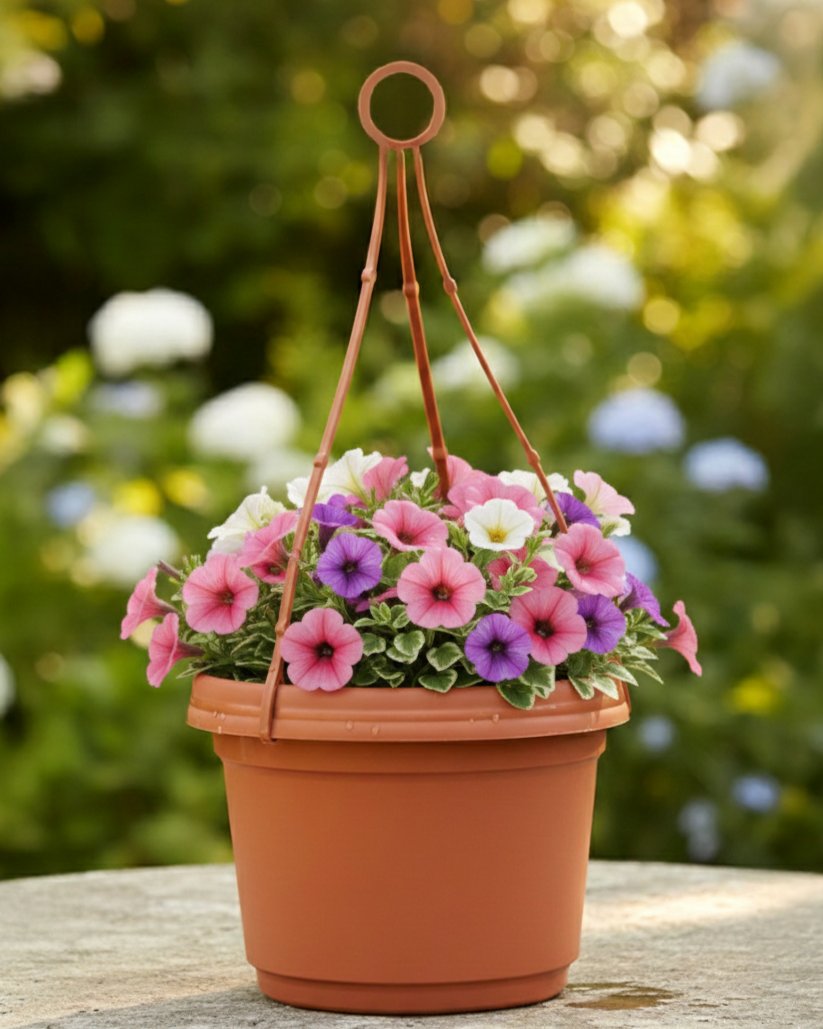
Reading Root Development and Timing the Pot-Up
A seedling's roots tell you more about timing than its top growth does. When you tip a pot gently and see a dense mat of white roots circling the sides, or roots emerging from the drainage holes, the plant has filled its space and is ready for the next size.
Choosing Between 11-Inch and 15-Inch Pots
An 11-inch pot suits most seedlings through to transplant or full growth, while a 15-inch basket is better for mature starts, trailing plants, or seedlings that will stay in place for the season. If you plan to move the pot indoors and out during hardening off, an 11-inch pot is easier to handle.
15-Inch Plastic Hanging Baskets: Hooks, Load Limits, and Placement
Wet soil is heavy, and a soaked basket can outweigh the dry version several times over. Choose a hook rated well above the loaded weight, and anchor it into a stud, joist, or rated bracket rather than drywall.
Placement rules that prevent trouble:
- Hang baskets where you can reach them for watering without a ladder
- Keep clearance below so pots don't swing into walls on windy days
- Space baskets so plants don't shade each other as they fill out
- Use wall-mounted brackets on balconies where an overhead beam isn't available
Watch out: hanging a loaded basket from a decorative hook rated for a lightweight lantern is the fastest way to lose the whole planting. Check the hardware rating before the pot goes up.
Watering, Cleaning, and Reusing Your Pots Season After Season
Check moisture daily in summer by pressing a finger into the top inch of soil. Water in the morning so foliage dries before evening.
Between crops, clean pots to prevent disease carryover. Scrub with a dilute bleach solution, rinse well, and let them dry in full sun. For off-season care, our guide to storing plastic pots for winter covers stacking, cleaning, and protecting them from freeze damage.
Shop Beloit Plastics Hanging Pots for Your Seedlings
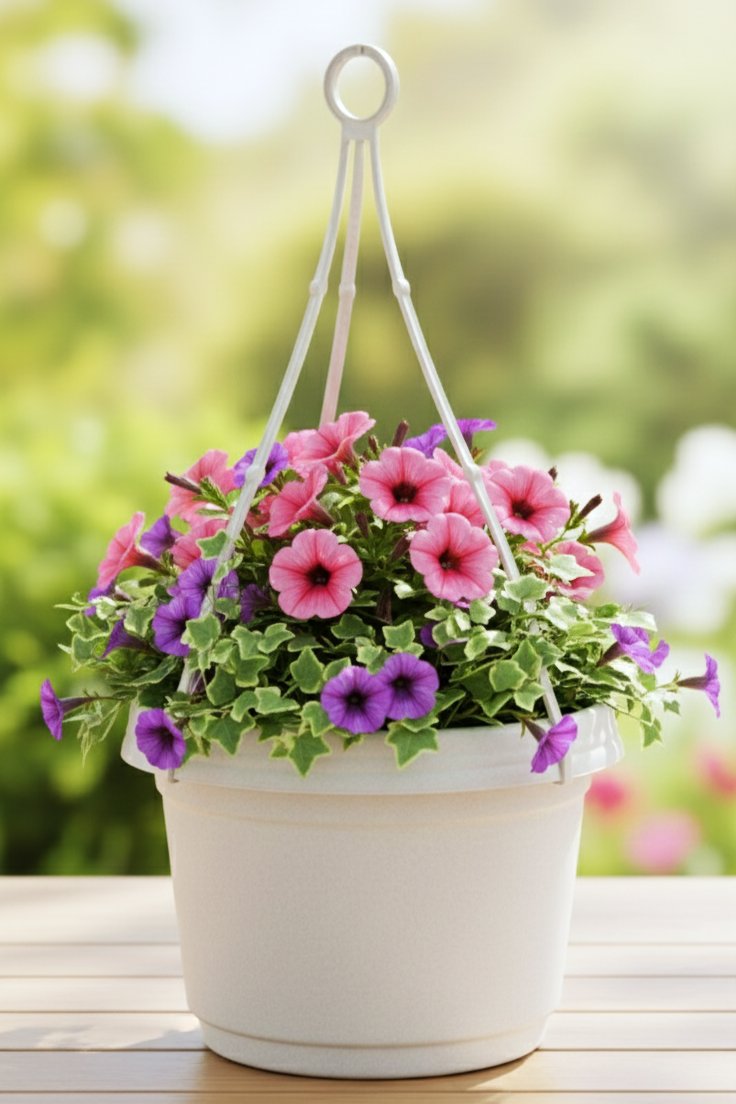
Our Austin Planter hanging pots come in 7-inch and 11-inch sizes with drainage holes molded in, made in the USA with some recycled plastic. Every order ships free, ships quickly, and comes with a 30-day return window, so you can try a size and send it back if it doesn't fit your space.
Get started with Beloit Plastics LLC and give your seedlings a hanging home that lasts.
Ready to plant? Start with our five-pack of 11-inch hanging pots with hangers and get your seedlings off the ground this season.
Frequently Asked Questions
What size hanging pot is best for seedlings?
A 7 inch hanging pot suits herbs and small plants, while an 11 inch pot handles larger plants. Beloit Plastics sells 7 inch, 11 inch, and 12 inch options.
How many drainage holes should a plastic seedling pot have?
Beloit Plastics hanging pots arrive with drainage holes already molded in, so you do not need to drill anything. If water pools on the surface after watering, the holes are clogged with soil and need a quick rinse.
Can seedlings grow successfully in hanging pots?
Yes, as long as you water more often. Hanging pots dry out faster than ground beds because air moves around all sides. Check moisture every day or two by pressing a finger into the top inch of soil. Water until it runs from the drainage holes, and empty any attached saucer so roots do not sit in standing water.
Are plastic pots bad for your plants?
No. High impact polypropylene pots are made of durable resin. The main risk is overwatering. Use a potting mix with perlite, confirm the drainage holes are open, and let the top inch of soil dry between waterings. Beloit Plastics pots are made with over 90% recycled plastic and can be reused for years.

