Garden Wind Spinners: Placement, Care, and Style Ideas
Garden wind spinners that shine all year: placement, care, and style
A light breeze, a splash of color, and that hypnotic spin can turn any patio or garden bed into a happy place. Wind spinners and pinwheels deliver motion without fuss, filling quiet corners with personality and signaling when the wind picks up.
If you have wondered where to place a spinner so it actually spins, how to set it up in soil or a planter, or whether it will survive winter, you are in the right spot. This guide covers placement, height, setup, and care, plus quick styling ideas that keep the look fresh from spring to snow flurries.
And because materials matter for longevity, we spotlight Beloit Plastics’ Spinning Daisy, built with a galvanized steel axle and color-molded, recycled resin for fade-resistant fun that is ready for repeat seasons outdoors.
How to place wind spinners so they actually spin
Wind spinners like steady, unobstructed airflow. Aim for open exposure, not a wind tunnel. Corners between tall fences or walls can create turbulence that stalls motion. A few feet out from a wall, or in front of a low hedge, usually gives smoother flow.
-
For yards: place spinners near paths, by mailboxes, along beds, or in open lawn pockets where breezes move freely.
-
For balconies and porches: mount in planters positioned near the outer edge, away from solid railings that block flow.
Keep neighbor-friendliness in mind. Avoid narrow side yards where constant whirring might carry into a bedroom window. If you love a larger spinner, step it back from property lines or face it toward your own living areas.
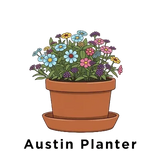
If you are pairing with planters, browse durable options that fit your space and height goals. You can see a range of outdoor planters for flowers and herbs in the Beloit Plastics collection of planters and pots.
Ideal height for visibility and calm motion
There is no single perfect height, but these ranges typically look great and catch wind without overwhelming the view:
-
Low and lively, 12 to 24 inches: great for edging beds, window boxes, and tabletop displays.
-
Mid-height, 24 to 36 inches: eye level when seated on a patio or porch, perfect for planters.
-
Tall accents, 36 inches and up: visible from the street and across the yard.
For balconies and railings, a mid-height spinner in a sturdy planter is easiest to see while seated. If you want lift without losing stability, consider tall planters with a weighted base layer of stones or sand beneath potting mix.
Setup in soil and planters, step by step
Whether you are installing in ground or in a container, aim for a straight, snug stem and free-spinning head.
-
In garden soil:
-
Choose a spot with open airflow and firm soil.
-
Use a slim stake or screwdriver to create a pilot hole.
-
Insert the spinner stem straight down. Press until anchored several inches deep.
-
Backfill or tamp soil around the stem for a tight fit.
-
In planters:
-
Pick a sturdy container heavy enough to resist wobble. Add a base layer of pebbles for ballast, then potting mix.
-
Create a pilot hole near the planter’s center or slightly off-center for a natural look.
-
Insert the stem, then compress soil around it. Water to settle the mix.
-
For railings, choose secure railing planters or other hanging planters that keep weight balanced and safely fastened.
Tip: If your location is gusty, attach a small clip or garden tie near the base of the stem to a support stake inside the planter. This adds hidden stability without ruining the look.
Materials that last outdoors
Sunlight, rain, and wind are tough on décor. Look for:
-
UV-stable, color-molded resin: color runs through the material, so there is no paint to flake.
-
Galvanized or stainless steel hardware: helps resist rust at the axle and stem.
-
Smooth, low-friction hubs: reduce wear and keep the spin easy.
Beloit Plastics’ Spinning Daisy is purpose-built for outdoor life. The axle and stem are galvanized steel for strength, and the daisy petals are color-molded recycled resin designed for fade resistance. That combo gives reliable spin, bright color, and everyday durability without fussy upkeep. Explore garden wind spinners, including Spinning Daisy sizes and colors, in the outdoor living and décor collection.
Year-round care and maintenance
A little seasonal attention keeps spinners breezy and bright.
-
Monthly check: wipe dust and pollen from petals with a damp cloth. Clear spider webs from the hub.
-
After storms: check that the stem is still straight and secure. Reseat in soil if wind loosened the base.
-
Lubrication: most resin-and-galvanized designs do not require oil. If rotation slows, remove debris first. If needed, a tiny drop of light lubricant on the axle can help, but avoid overdoing it because excess can attract grit.
-
UV care: color-molded resin typically needs no coating. Avoid harsh solvents that can dull the surface.
Winter: bring it in or leave it out?
You can often leave durable spinners outdoors all year, especially those with galvanized steel hardware and color-molded resin. That said, climate and exposure matter. Repeated ice storms or extreme wind can stress any spinner. If your area sees heavy icing or powerful gusts, consider moving the spinner to a more sheltered spot or storing it in a garage during the harshest weeks. For year-round display, check it after freezes for ice buildup and gently clear it before the next breeze.
Do wind spinners help deter pests?
Movement and flash can make some critters hesitate. A spinning shape may discourage occasional visits from deer or birds in specific spots, but results vary and animals quickly adapt. Think of a spinner as a light nudge, not a guaranteed deterrent. For gardens where nibbles are costly, use a layered approach that might include plant selection, scents, barriers, and motion.
Styling ideas that look great in every season
-
Cluster by size: group three spinners at staggered heights for a lively focal point. Odd numbers tend to feel balanced.
-
Pair with planters: anchor a mid-height spinner in a matching container planted with trailing greens below the petals. For compact spaces, railing planters make colorful, secure perches that show off motion at eye level.
-
Seasonal palettes:
-
Spring: soft yellows and pinks near tulips and pansies.
-
Summer: brights that pop against full foliage.
-
Fall: oranges and reds near mums and ornamental kale.
-
Winter: bold primaries or metallics for contrast against evergreens and snow.
-
Path markers: line a walkway with small spinners at consistent spacing for a playful guide.
-
Mix textures: combine a glossy resin daisy with matte planters, gravel mulch, and a few upright grasses for movement on calm days and drama when breezy.
If you are building a planter-first display, you can find a broad selection of outdoor planters in the Beloit Plastics catalog. They pair well with spinners and include options sized for herbs, flowers, and statement plantings.
Spotlight: Beloit Plastics’ Spinning Daisy
Spinning Daisy blends simple joy with sturdy build. The design features:
-
Galvanized steel axle and stem for strength and rust resistance.
-
Color-molded, recycled resin petals for fade-resistant brightness.
-
Multiple sizes for beds, borders, and planters.
Use a single bold daisy as a welcome near the porch, or place a trio in staggered heights among perennials for all-season motion. Browse wind spinners from Beloit Plastics to see current colors and sizes.
Quick FAQ
-
Can you leave wind spinners out in the winter?
Often yes, if they use weather-tough materials like galvanized hardware and UV-stable, color-molded resin. In areas with ice storms or extreme wind, move to a sheltered spot or store during the harshest periods. -
Where is the best place to put a wind spinner?
Choose open airflow away from tall, solid barriers. A few feet out from walls, at the edge of planters, or in open beds usually works best. -
Do wind spinners keep animals away?
Sometimes. Movement may discourage casual visits, but it is not a guarantee. Use additional deterrents if damage is a concern. -
How long do wind spinners last?
Service life varies by material and exposure. Designs with galvanized steel axles and color-molded resin typically offer long-term outdoor use with basic care. -
How do I set up a wind spinner?
Create a pilot hole, insert the stem straight, and tamp soil snugly. In planters, add ballast, insert the stem, and compress soil to stabilize. Check alignment after storms.
The takeaway
Place your spinner where breezes can reach it, set the height for the way you enjoy your space, and give it a quick wipe now and then. Choose durable materials like galvanized hardware and color-molded resin to keep the color bright and the spin smooth through many seasons. Ready to refresh your patio or balcony with motion and color? Explore garden decor from Beloit Plastics, or pair a Spinning Daisy with planters for a simple, year-round update that feels cheerful every time the wind says hello.
- balcony planters
- garden decor
- garden planter
- garden wind spinners
- hanging planters
- lawn wind spinners
- outdoor garden decor
- outdoor planters
- patio planters
- planter pot
- planter pot saucer
- planter pots
- planter saucers
- planter tray
- planters for flowers
- planters for herbs
- planters for sale
- planters with saucers
- plastic planter
- plastic planters
- railing planters
- wind spinner for garden
- wind spinners
- yard wind spinners
