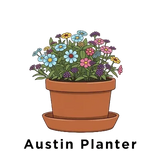
Fall Container Planting: Depth, Drainage and Plastic Planters
Fall container planting: depth, drainage, and the right plastic planter
Late summer into fall is prime time to refresh containers with mums, herbs, cool-season greens, and late color. The days are shorter, the sun is gentler, and plants root quickly in warm soil before cooler nights arrive.
A good fall display starts below the surface. Planter depth, drainage, and material choice decide whether roots thrive or struggle. Here is a simple playbook to set up healthy containers that look great through the season.
Choose the right depth for vegetables and flowers
Container depth guides root development and watering frequency. Use these general depth targets for fall:
-
Shallow crops and flowers, 6 to 8 inches: pansies, violas, alyssum, lettuce, arugula, spinach, cilantro, chives, thyme. A 7-inch bowl is ideal for tight groupings and low mounding color.
-
Medium roots, 10 to 12 inches: basil, parsley, dill, sage, compact peppers, dwarf dahlias, petunias, marigolds.
-
Deeper roots, 14 to 18 inches: rosemary, larger peppers, compact tomatoes, small shrubs, ornamental grasses.
Can tomatoes grow in 12 inches of soil? Dwarf or patio tomatoes often can, but standard tomatoes perform better in 14 to 18 inches. If you are planting a determinate patio variety late in the season, a 12-inch container can work with careful watering and feeding.
For mums, think width as much as depth. A medium or large round pot with at least 9 to 12 inches of internal diameter gives roots room and supports a full canopy. Late-season herbs like rosemary appreciate a deeper pot that resists tipping in windy weather.
What to put in the bottom (and what to avoid)
Skip the myths and keep it simple. Do not add rocks, gravel, or broken pot shards to the bottom of planters. These do not improve drainage; they create a perched water table that leaves roots sitting in soggy soil above the rock layer.
Do not use Styrofoam or packing peanuts either. They can shift, collapse, or block drainage holes, and they reduce the soil volume roots need to stabilize the plant and access nutrients.
Best practice:
-
Use a high-quality potting mix formulated for containers. It should be light, well-aerated, and contain materials like peat or coco coir with perlite or pumice for drainage.
-
Cover drainage holes with a single mesh square or a small piece of breathable landscape fabric if you are worried about soil loss. Keep coverage minimal so water flows freely.
-
Fill the entire planter with potting mix. More soil volume buffers moisture swings and supports healthier roots.
Drainage, saucers, and standing water
Healthy containers drain freely after watering. Match each planter with a saucer that is slightly wider than the pot base to catch excess water and protect surfaces. After a heavy rain or deep watering, empty standing water from saucers to discourage root rot and pests.
If you need durable, easy-to-clean options, pair planters with a sturdy plant saucer. Choose a size that fits the base comfortably and allows airflow. You can browse practical options such as planter saucers and drip pans that are made for indoor or outdoor use on the Beloit Plastics site. For a quick starting point, see the collection of planter saucers for sizes and colors that match common pots: https://beloitplastics.com/planter-saucers
Tip: Water thoroughly until you see steady runoff into the saucer, then wait for the planter to finish draining. Discard the collected water within 30 minutes.
Why plastic planters shine in fall
Plastic planters are lightweight, durable, and weather-ready. Quality versions are UV-stabilized so color holds up across seasons and the finish does not flake. They warm quickly on cool mornings, helping roots stay active in fall.
Look for:
-
Molded-through color that resists fading.
-
Pre-drilled drainage holes.
-
Sturdy rims for easy moving.
-
Matching saucers for clean decks and patios.
-
Recycled-content options when available.
Beloit Plastics offers a range of plastic planters designed for outdoor use. If you want a simple path to sizes that fit herbs, mums, and compact veggies, explore plastic planters and matching saucers here: https://beloitplastics.com/plastic-planters-and-pots
Featured picks for fall
-
7-inch bowl planter: Perfect for pansies, violas, alyssum, or a tight herb trio like thyme, chives, and cilantro. The shallow, wide profile makes a tidy centerpiece and fits steps or tabletops.
-
Medium and large round planters: Great for mums, rosemary, compact peppers, or dwarf tomatoes. Choose at least 10 to 12 inches deep for mixed fall combos, and deeper for woody herbs.
-
Hanger-ready options: For railings and small-space refreshes, a hanging planter brings color up off the ground, away from early frosts on low spots. See space-smart railing and hanging choices here: https://beloitplastics.com/railing-hanging-balcony-planters
-
Patio workhorses: If you are building a porch grouping with mums and grasses, browse patio planters to mix heights and textures: https://beloitplastics.com/collections/planters-pots
Soil, feeding, and watering through the season
Use fresh potting mix for fall plantings, even if reusing the pot. Old mix compacts and drains poorly. Blend in a slow-release fertilizer at planting, then supplement every 2 to 3 weeks with a diluted liquid feed for heavy bloomers.
Watering shifts with cooler days. Check moisture by pressing a finger 1 to 2 inches into the soil. Water when it feels dry at that depth. In rainy spells, reduce frequency and be diligent about emptying saucers. Trim spent blooms on mums and cool-season annuals to keep color coming.
Sustainability and maintenance
Durable plastic planters hold up across seasons and can be reused as you rotate displays. Many options include recycled content and are recyclable at end of life where facilities exist. Wash pots and saucers with mild soap between plantings to reduce disease carryover. Store clean, nested planters in a dry spot to extend service life.
When choosing saucers, consider long-lasting plastic designs that resist cracking and are easy to move when wet. If you routinely bottom-water herbs indoors in winter, keep a dedicated set of saucers on hand for a tidy setup.
Quick FAQ
-
How deep do planters need to be for vegetables? Leafy greens and herbs do well in 6 to 8 inches; most herbs and compact peppers prefer 10 to 12 inches; larger peppers, rosemary, and patio tomatoes benefit from 14 to 18 inches.
-
What is best to put in the bottom of a planter for drainage? Nothing but potting mix. Use a mesh square over holes only if needed to limit soil escape, and keep it minimal so water flows freely.
-
Should I put rocks in the bottom of a planter? No. Rocks create a perched water layer that keeps roots wetter, not drier.
-
Is it okay to put Styrofoam in the bottom of a planter? No. It can shift, block drainage, and reduce vital soil volume.
-
What are the best planters for outdoor plants? Durable plastic planters with molded color, UV stabilization, and pre-drilled drainage are reliable and lightweight. Match with appropriately sized saucers for clean surfaces. Explore options here: https://beloitplastics.com/collections/planters-pots
-
Can tomatoes grow in 12 inches of soil? Dwarf or patio types often can; full-size varieties generally perform better with 14 to 18 inches.
Final touch, match the saucer
A great fall container is equal parts healthy roots and clean presentation. Choose the correct depth, fill with quality potting mix, avoid fillers like rocks or Styrofoam, and pair each pot with a properly sized saucer. Empty standing water after rain, feed lightly through the season, and pick durable plastic planters that hold their color. Ready to build your setup? Start with plastic planter choices that fit your space, then add the right saucer for a tidy finish: https://beloitplastics.com/collections/plant-saucers-trays
